Why the Same Black Activewear Piece Looks Different in Almost Every Photo
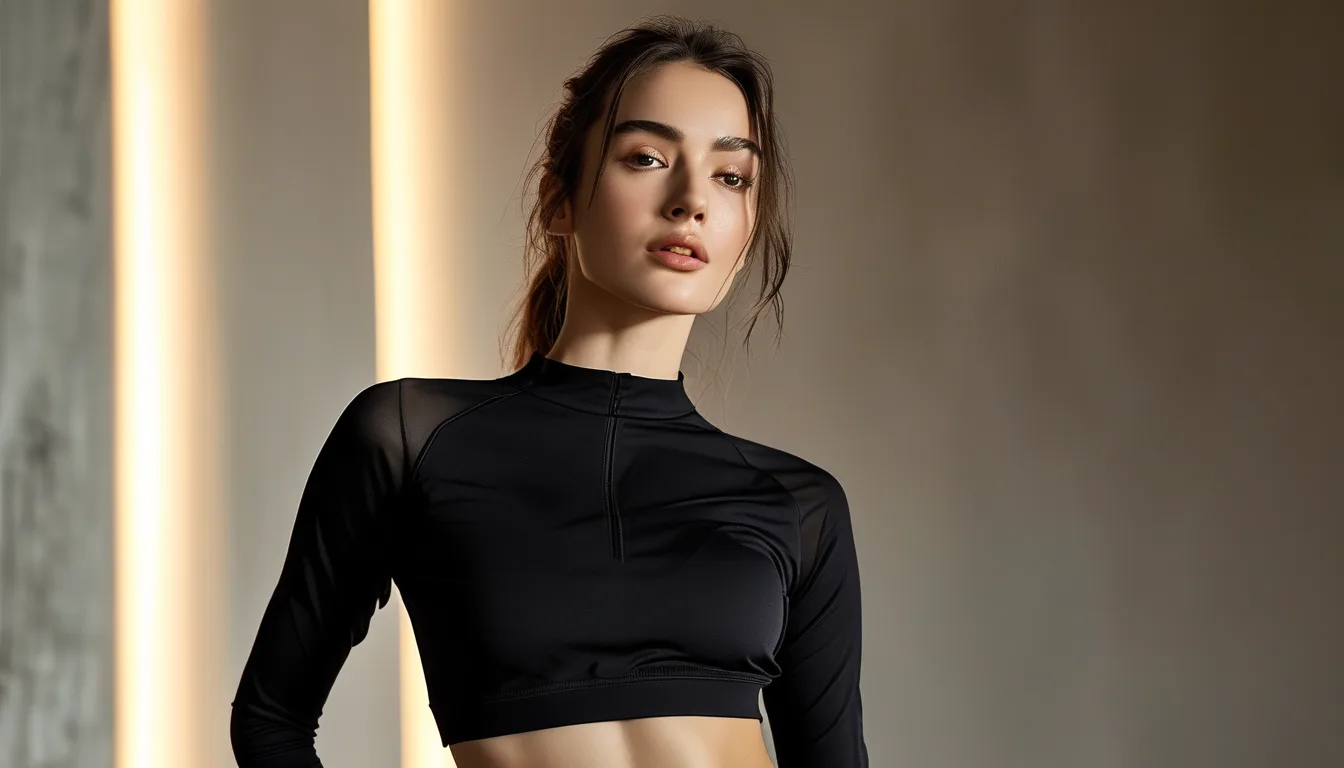
Quick Answer: Black fabric reflects very little light back to a camera sensor, which makes it unusually sensitive to a scene’s specific light temperature, white balance setting, and camera exposure — small shifts in any of those three factors shift how a camera renders true black into slightly warm, cool, or gray-tinted black, which is why the same garment can look meaningfully different across photos taken in different lighting without the fabric itself changing at all.
Black activewear is one of the hardest colors to photograph consistently, and the inconsistency has almost nothing to do with the actual garment and everything to do with how cameras handle very low light reflection.
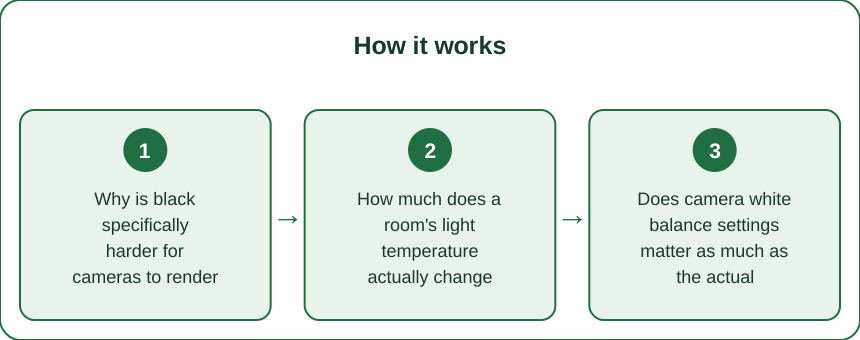
Why is black specifically harder for cameras to render consistently than other colors?
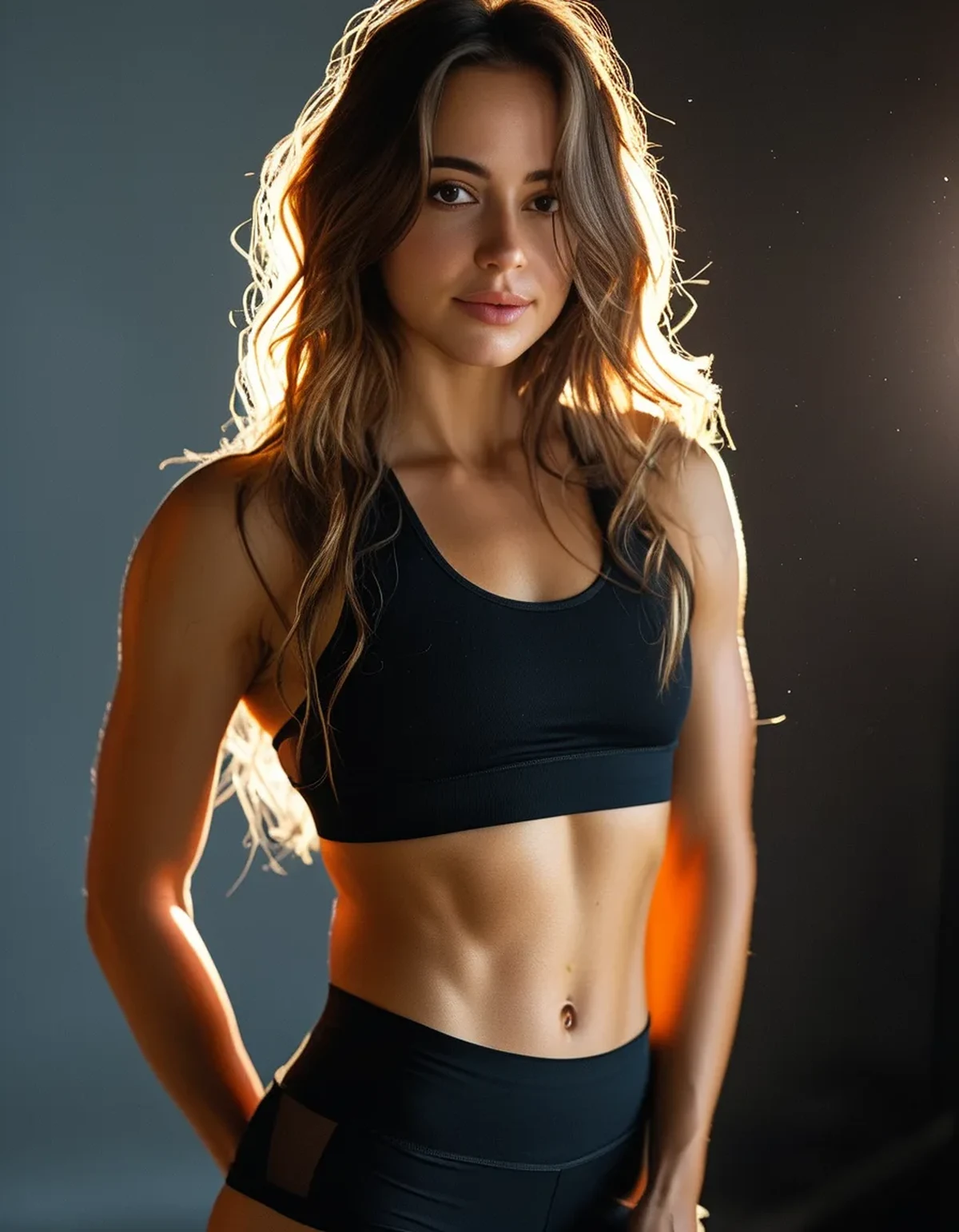
Black fabric reflects only a small fraction of the light hitting it, which means the camera sensor has very little actual light information to work with when rendering that area of the image. With so little signal to interpret, the camera’s white balance and exposure settings have an outsized influence on the final rendered color, compared to a brighter color that reflects more light and gives the sensor more information to work from.
How much does a room’s light temperature actually change the way black looks in a photo?
Substantially — warm indoor lighting (like incandescent or warm LED bulbs) pushes black toward a brownish or warm-toned black, while cooler daylight or blue-toned LED lighting pushes it toward a slightly blue-black or cooler gray-black. This shift is often barely noticeable to the naked eye in person but becomes far more visible once captured and viewed on a screen.
Does camera white balance settings matter as much as the actual lighting in the room?
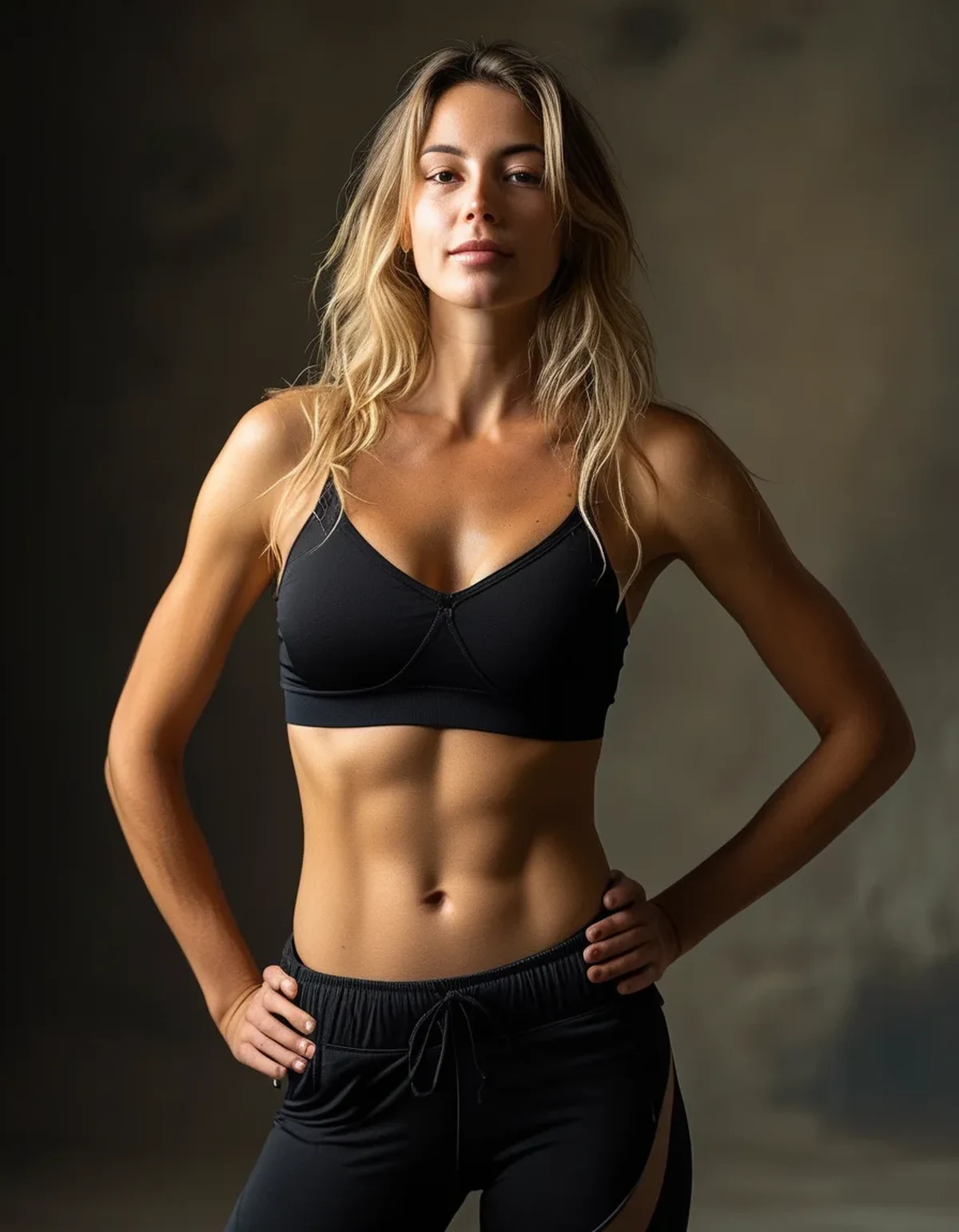
Yes, independently — a camera’s white balance setting attempts to correct for the room’s light temperature, but an incorrect or auto white balance guess can overcorrect or undercorrect, shifting black’s rendered tone even under identical lighting conditions. This is part of why two photos taken seconds apart, in the same spot, can sometimes still show slightly different black tones if the white balance setting shifted between shots.
Is there a practical way to get more consistent black tones across different photos?
Shooting in consistent, diffused daylight and manually locking white balance rather than relying on auto white balance produces the most consistent results across a series of photos. For anyone regularly photographing black activewear for comparison purposes, using the same location, time of day, and camera settings each time removes most of the variability described above.
What Nobody Tells You About Black Activewear Photography
Slightly different black dye batches or fabric finishes (matte versus subtle sheen) genuinely do produce different real-world blacks, separate from any photography factor — so some of the inconsistency across photos of “the same” black activewear piece can be a real fabric difference, not purely a camera artifact, especially when comparing photos of different individual garments rather than the same exact piece.
FAQ: Black Activewear Photo Consistency, Answered
Does editing or filters make this inconsistency worse or better?
It can go either way — heavy-handed filters and auto-enhance tools often shift black tone further from reality, while a light, consistent edit applied the same way across photos can actually improve consistency.
Is natural daylight really the most reliable lighting for photographing black clothing accurately?
Generally yes — diffused, indirect daylight (like near a window but not direct sun) renders black fabric with the least color distortion compared to most artificial indoor lighting.
Should black activewear be judged by product photos alone when shopping online?
Not entirely — since product photo lighting varies significantly between listings, reading fabric and color-specific reviews adds a useful real-world data point beyond the studio photos alone.
TL;DR:
- Black fabric reflects very little light, making cameras unusually sensitive to lighting and white balance shifts
- Warm lighting pushes black toward brown-black; cool lighting pushes it toward blue-black
- Locking white balance and using consistent diffused daylight produces the most consistent black tones
- Some inconsistency is a real fabric or dye-batch difference, separate from any camera or lighting factor
Black activewear looking different across photos isn’t a sign of an inconsistent product — it’s a predictable quirk of how cameras handle a color that reflects almost no light back to them.
Keep Reading
This article is for general informational and styling purposes only. Fit, sizing, and product availability may vary.