Why Black-on-Black Activewear Photographs Differently Than It Actually Looks in Person
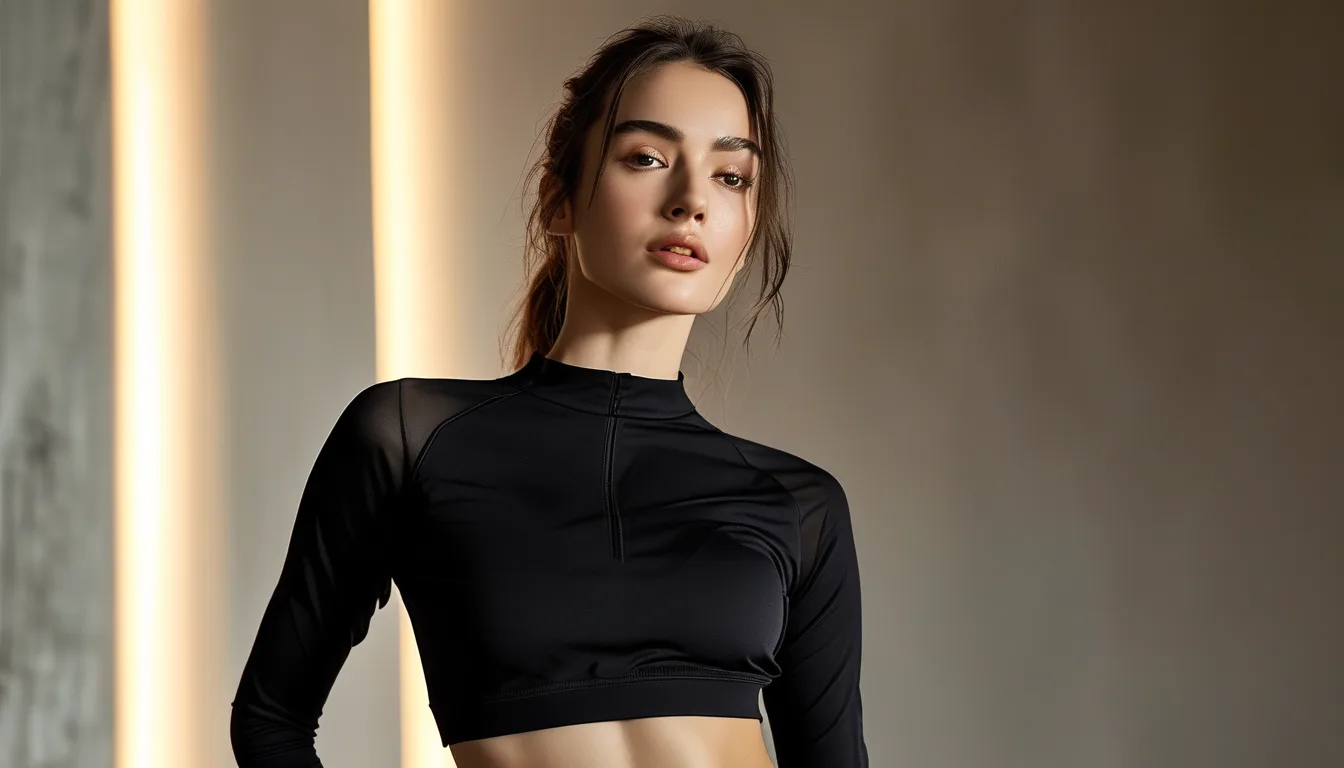
Quick Answer: Cameras and the human eye process contrast and shadow detail differently — in person, subtle texture and shadow variation within an all-black outfit are visible in real time as your eyes adjust, but a camera, especially in flat or harsh lighting, can compress those subtle variations into one undifferentiated dark mass, losing the shape definition that was clearly visible in the mirror.
You’ve looked sharp and put-together in an all-black set right before taking a photo, and then the photo came out looking flatter and less defined than what you saw. That gap is a real camera-versus-eye difference, not a styling mistake.
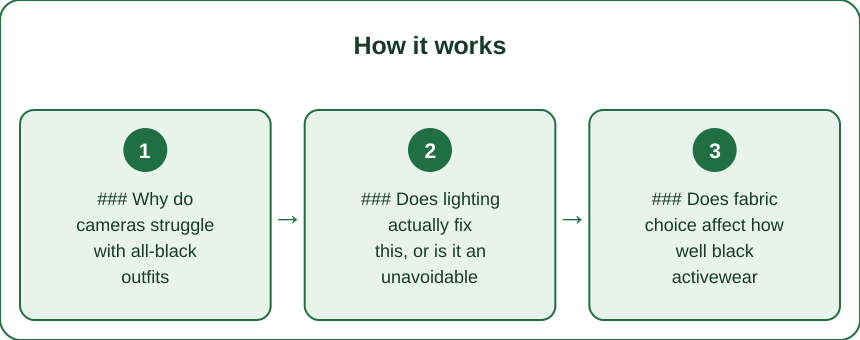
### Why do cameras struggle with all-black outfits specifically?
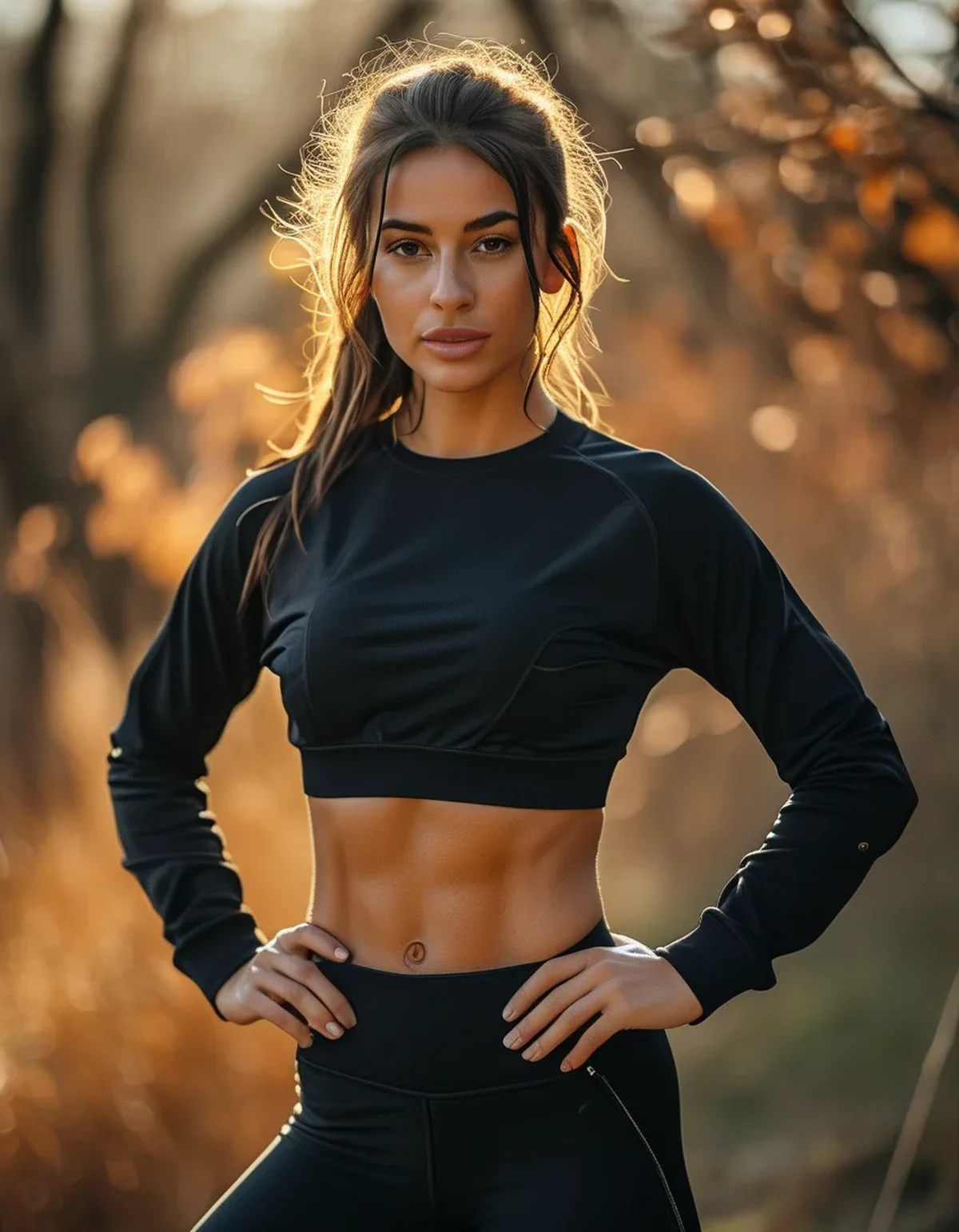
Camera sensors have a more limited dynamic range than the human eye, meaning they capture a smaller spread between the darkest and lightest points in a scene before detail gets lost. An all-black outfit relies on subtle texture, fabric sheen, and small shadow variations for its shape definition, and those subtle variations are exactly the kind of detail a camera’s limited dynamic range tends to compress into flat, undifferentiated black first.
This is a well-known challenge in photography broadly, not something specific to activewear — it’s the same reason photographing black fabric or black pets is a commonly cited photography difficulty.
### Does lighting actually fix this, or is it an unavoidable camera limitation?
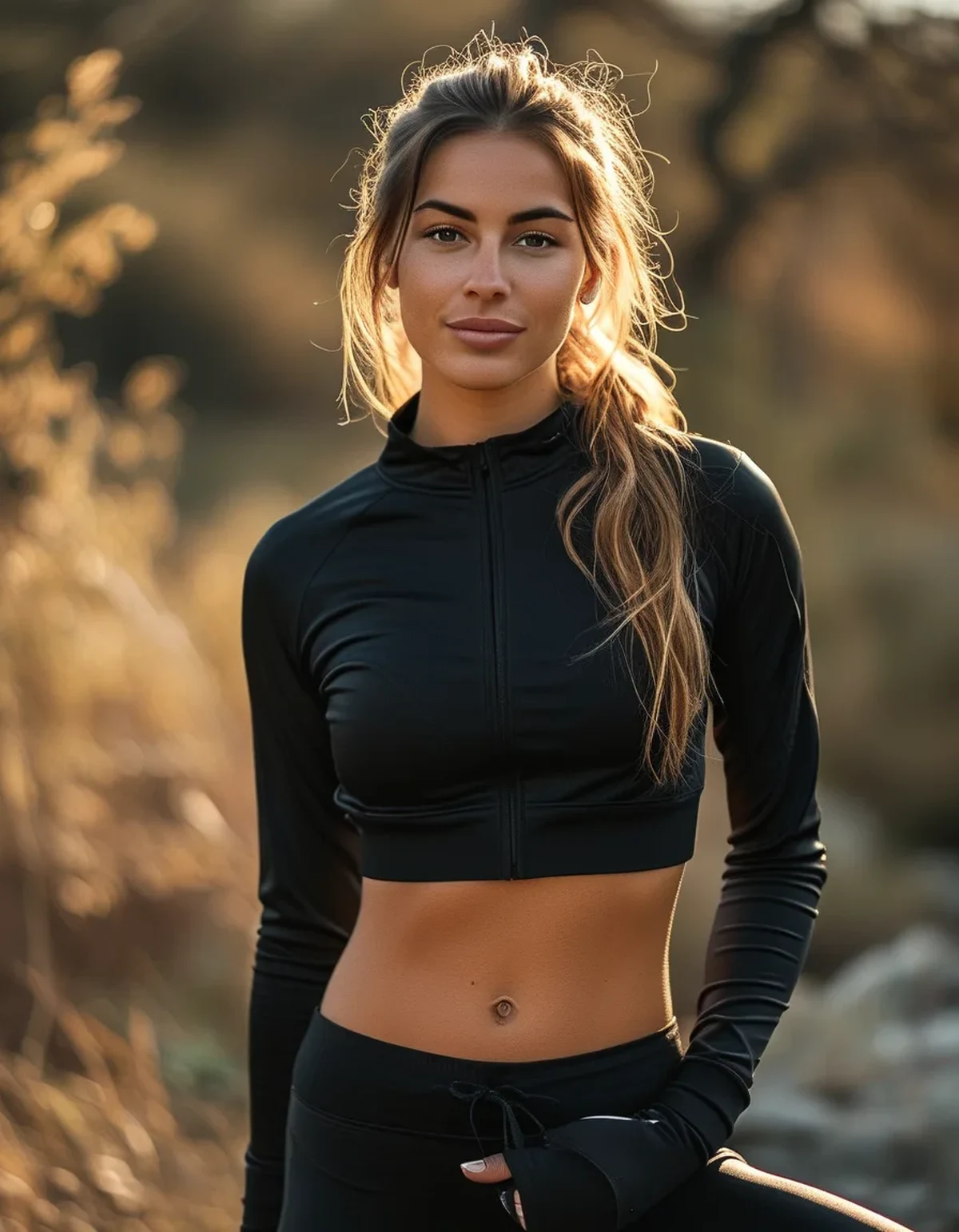
Lighting makes a significant difference — soft, directional side lighting (rather than flat, front-facing light or harsh overhead light) creates the shadow contrast needed for a camera to actually register shape and texture in dark fabric, rather than compressing it all into one flat tone. Outdoor golden-hour light or a single off-angle light source indoors both tend to produce noticeably better results than flat midday sun or direct overhead lighting.
This means the fix is largely about lighting angle, not necessarily about avoiding all-black outfits for photos altogether.
### Does fabric choice affect how well black activewear photographs?
Yes — fabric with subtle texture or a slight sheen tends to photograph with more definition than completely matte, flat black fabric, since texture and sheen both catch and reflect available light in ways that help a camera register shape variation. Two black leggings that look identical in person can photograph quite differently if one has a subtle textured weave and the other is completely flat and matte.
This is a useful thing to check specifically when buying activewear with photos in mind, since fabric texture isn’t always obvious from a product photo alone.
### Myth vs Fact: Black Activewear and Photos
Myth: All-black outfits always look worse in photos than in person. Fact: With the right lighting angle and slightly textured fabric, all-black outfits can photograph very well — the flat, shapeless look specifically comes from poor lighting conditions, not black as a color itself.
Myth: Editing a photo afterward easily fixes lost definition in black clothing. Fact: Once fine shadow detail is compressed to flat black by the camera sensor, editing can boost overall brightness but can’t fully recover detail that was never actually captured in the first place.
### FAQ: Black Activewear Photography, Answered
What’s the single best lighting setup for photographing an all-black outfit?
Soft, directional side lighting — like golden-hour outdoor light or a single angled indoor light source — tends to produce the clearest shape and texture definition.
Should I avoid pairing all-black with a plain black background?
Yes — a plain black or very dark background removes the contrast needed to distinguish outfit from background, so a lighter or more textured background helps the outfit visually stand out.
Does phone camera quality make a noticeable difference for this specific issue?
Newer phone cameras with better dynamic range handle this challenge somewhat better than older or budget phone cameras, though lighting conditions still matter more than camera quality alone.
TL;DR:
- Camera sensors have less dynamic range than the human eye, compressing subtle black-fabric detail into flat tone
- Soft, directional side lighting reveals shape and texture in black outfits far better than flat or harsh light
- Fabric with slight texture or sheen photographs with more definition than completely matte black fabric
- A lighter or textured background helps an all-black outfit visually separate from its surroundings
An all-black outfit looking flatter in photos than in the mirror isn’t a styling failure — it’s a real camera limitation, and the right lighting and fabric choice close most of that gap.
Keep Reading
This article is for general informational and styling purposes only. Fit, sizing, and product availability may vary.