Why Black-on-Black Activewear Photographs Differently Than It Looks in Person
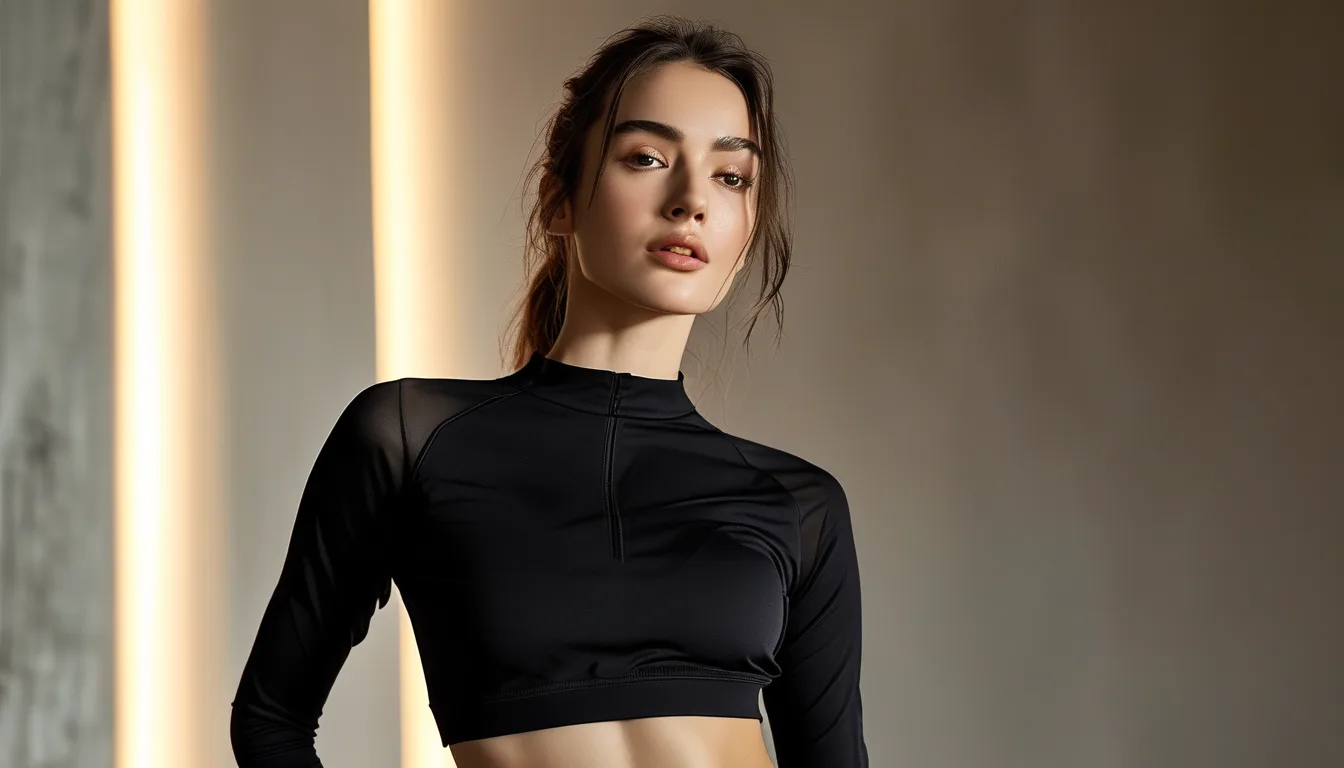
Quick Answer: Cameras capture light and contrast differently than the human eye does in person, and an all-black outfit relies heavily on subtle shadow and texture cues for shape definition that the eye picks up easily in person but that photograph flatter under typical lighting — camera dynamic range compresses those subtle shadows more than real-life vision does, which is why the same outfit can look sculpted in the mirror and shapeless in a photo.
The monochrome black outfit looked sharp and well-defined standing in front of the mirror. The photo taken seconds later looked noticeably flatter, less sculpted, more like a single solid shape. Nothing about the outfit changed between the two — the way light and shadow translate did.
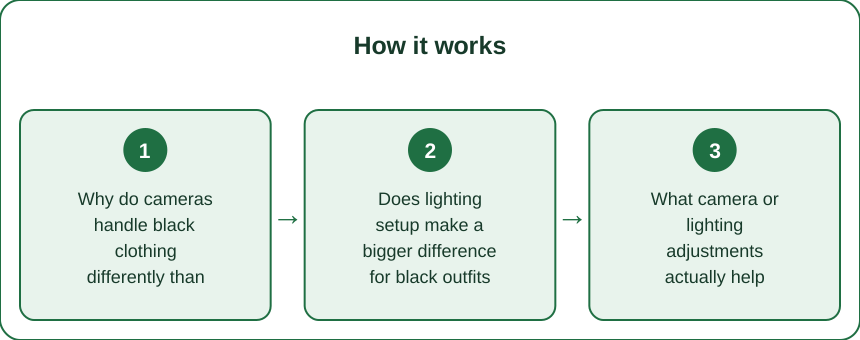
Why do cameras handle black clothing differently than the human eye does?
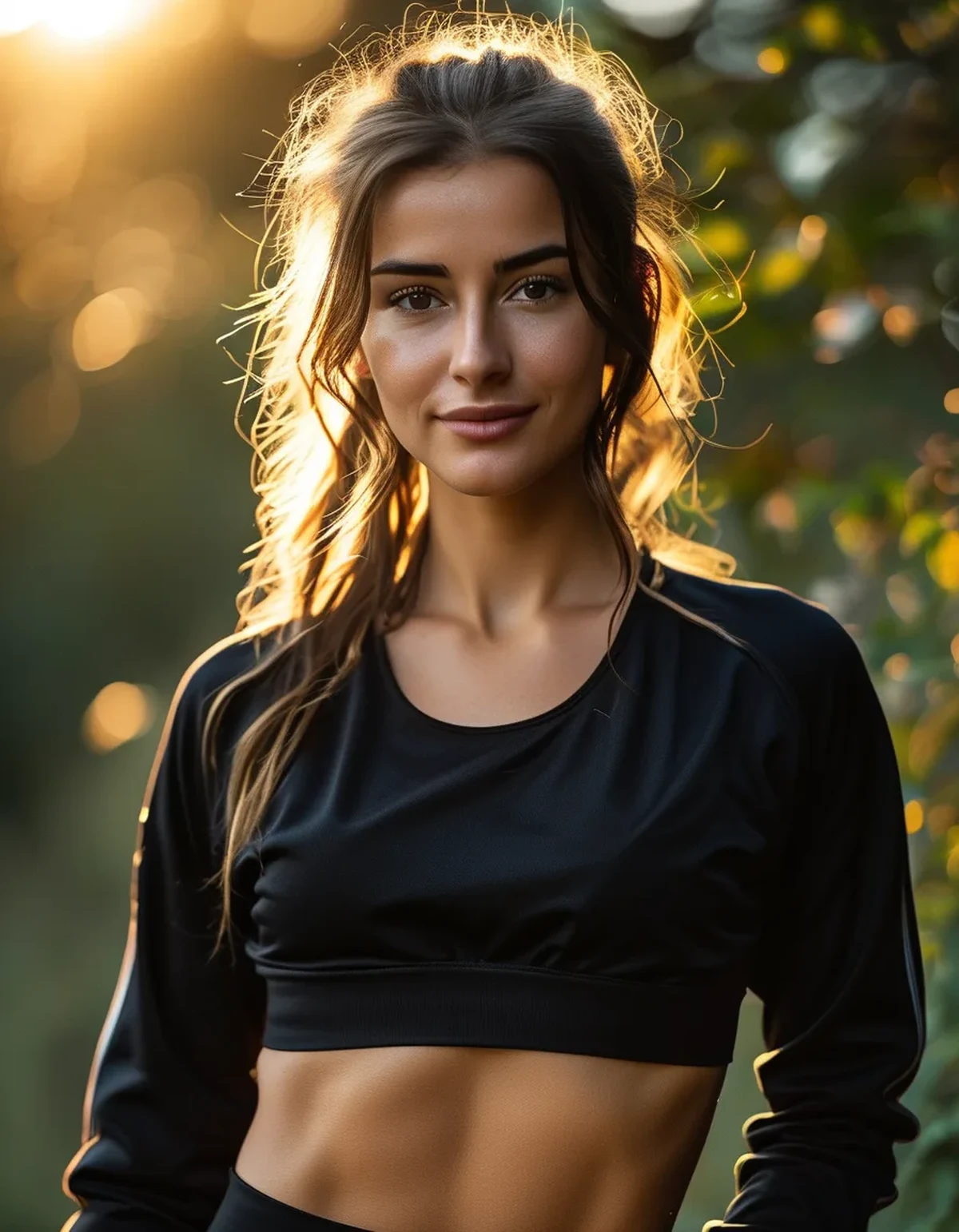
The human eye has a much wider dynamic range than most cameras, meaning it can distinguish subtle gradations of shadow and texture within dark tones far more easily than a camera sensor can capture in a single exposure — cameras tend to compress dark tones toward a flatter, more uniform black, losing some of the shape-defining shadow detail the eye sees live.
Does lighting setup make a bigger difference for black outfits specifically than for lighter colors?
Yes, significantly — black clothing needs more deliberate, directional lighting to reveal texture and shape through shadow than a lighter color does, since lighter fabrics naturally reflect more ambient light and show shape more easily under flatter, less deliberate lighting conditions.
What camera or lighting adjustments actually help black activewear photograph with more shape definition?
Side or angled lighting (rather than flat, front-facing light) creates shadow definition along the body’s actual contours, and slightly underexposing rather than overexposing a shot generally preserves more shadow detail in black fabric than a brighter exposure would.
Do different fabric textures within black activewear photograph differently from each other?
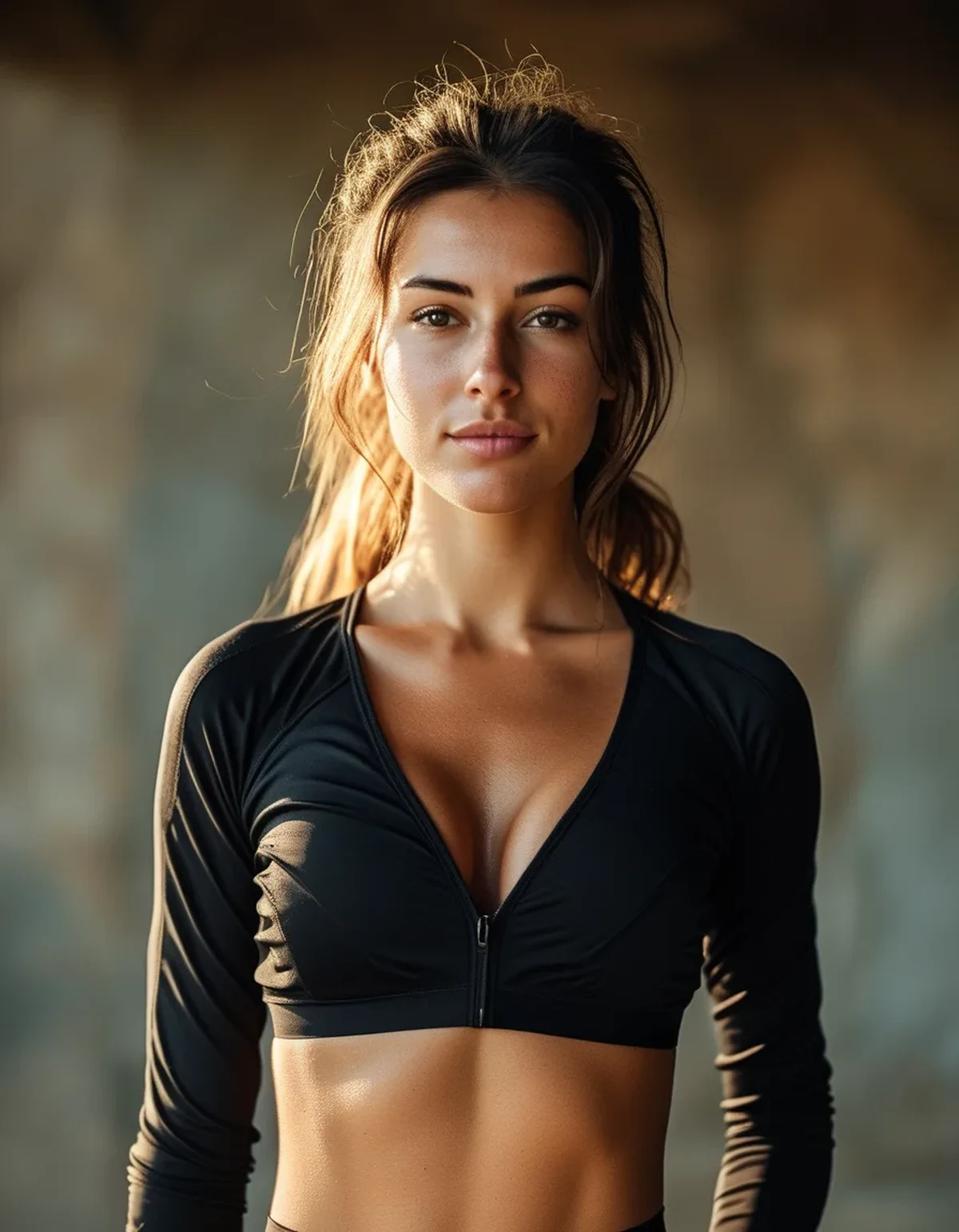
Yes — a matte black fabric tends to photograph flatter than one with subtle texture, ribbing, or a slight sheen, since texture and sheen both catch and reflect light in ways that help a camera register shape and dimension that flat matte black doesn’t provide as readily.
Does this mean monochrome black outfits are a bad choice for photos?
Not at all — they photograph beautifully with the right lighting setup, which is exactly why professional photography for all-black outfits so often relies on more deliberate, angled lighting than typical smartphone flat lighting provides.
FAQ: Monochrome Activewear Photography, Answered
Should black activewear outfits avoid flat, front-facing lighting for photos?
Generally yes — angled or side lighting reveals far more shape and texture in black fabric than flat frontal light.
Does adding a slightly different shade of black help outfits photograph with more definition?
Yes — pairing subtly different shades or textures of black creates natural contrast lines a camera can register, even within an otherwise monochrome look.
Is this photography gap specific to black, or does it happen with other dark colors?
It happens with any very dark color to some degree, though black shows the effect most strongly since it has the least inherent light reflection to begin with.
TL;DR:
- Cameras compress dark tones more than the eye does, flattening shadow-based shape definition
- Angled, directional lighting reveals far more shape in black activewear than flat frontal light
- Textured or subtly sheened black fabric photographs with more dimension than flat matte black
- Mixing slightly different black shades or textures creates contrast a camera can actually register
Next all-black outfit photo, try angled lighting instead of flat front light — it’s usually the fastest fix for that flattened, shapeless look.
Keep Reading
This article is for general informational and styling purposes only. Fit, sizing, and product availability may vary.