Why Black-on-Black Activewear Photographs Completely Differently Than It Looks in Person
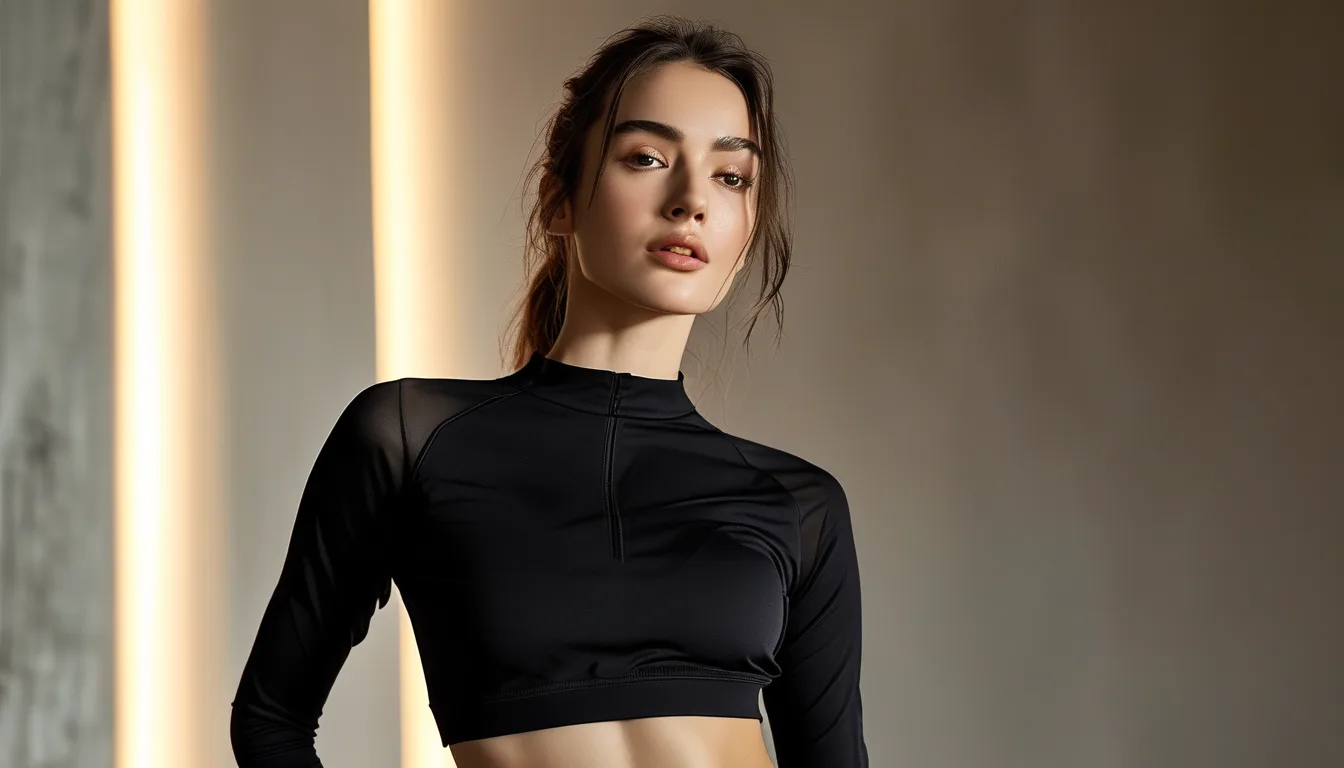
Quick Answer: Black fabric absorbs most light rather than reflecting it, which removes the shading and highlight detail cameras use to show shape and texture — the result is often a flat, undefined silhouette in photos even when the outfit reads as sleek and fitted to the naked eye in person.
Black-on-black activewear looks polished and cohesive standing in front of a mirror. The same outfit in a photo can look like a shapeless dark blob with no visible definition. This isn’t your camera failing — it’s how light and dark fabric fundamentally interact.
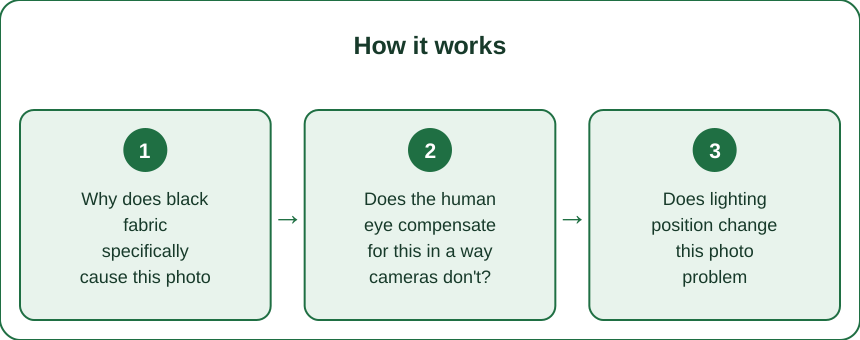
Why does black fabric specifically cause this photo problem?
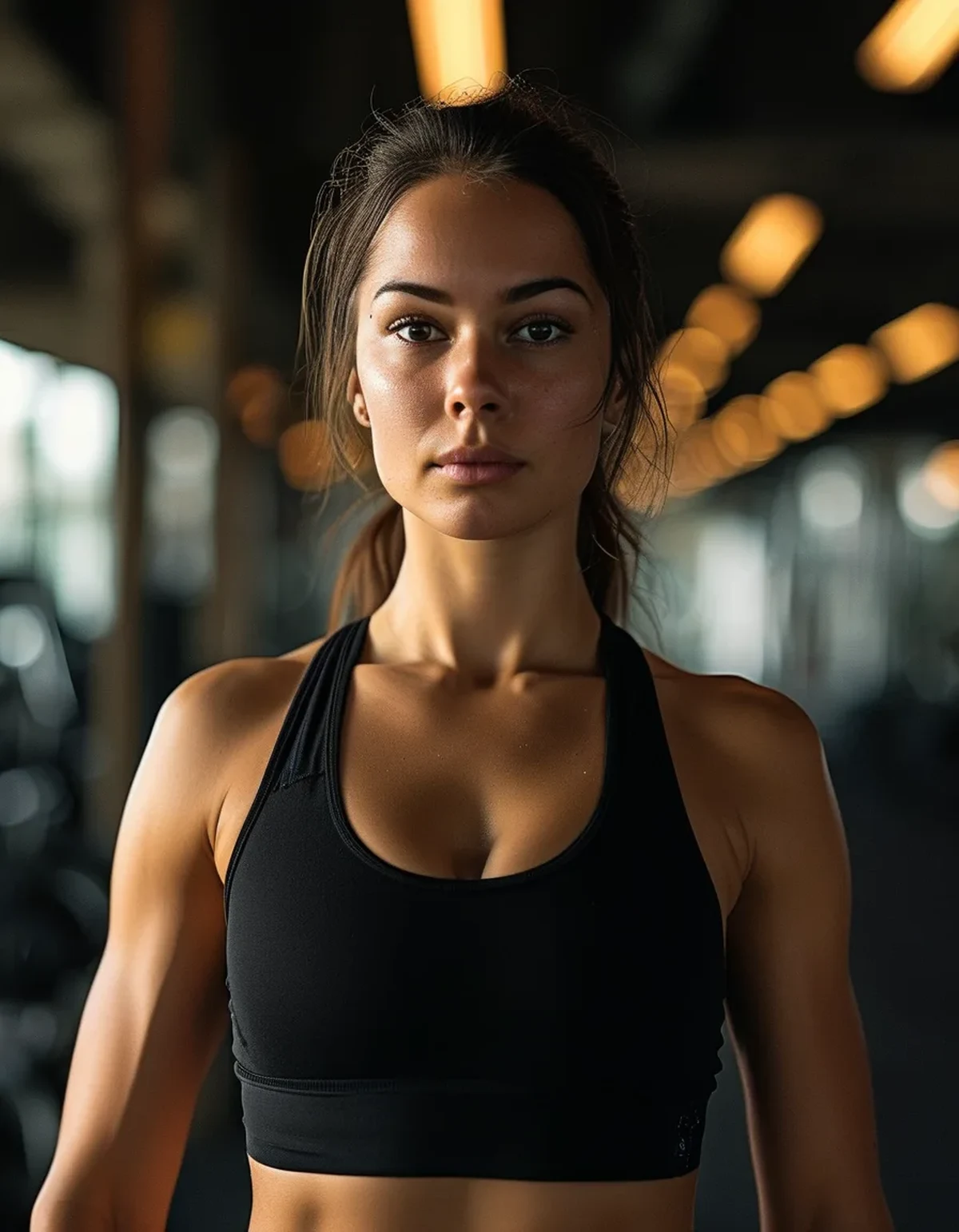
Black fabric absorbs the majority of light hitting it rather than reflecting it back, which is the literal physical basis of the color appearing black. Cameras rely on reflected light variation — highlights and shadows — to convey shape, texture, and dimension in a 2D image; remove most of that reflected light variation, and the camera has far less information to render form, which is exactly what happens with monochrome black.
Does the human eye compensate for this in a way cameras don’t?
Yes, meaningfully. The eye and brain use additional depth cues (binocular vision, motion parallax, ambient context) that a flat 2D photo simply doesn’t have available, allowing the eye to perceive shape and definition in a black outfit that a camera, working from reflected light alone, cannot fully capture in the same way.
Does lighting position change this photo problem significantly?
Considerably. Direct, harsh overhead lighting (common in gyms) minimizes side-shadow definition on black fabric, flattening it further, while angled or side lighting creates enough shadow variation across the black fabric’s folds and seams to restore some visible shape and texture in the resulting photo.
How to Build a Monochrome Activewear Wardrobe That Still Photographs Well
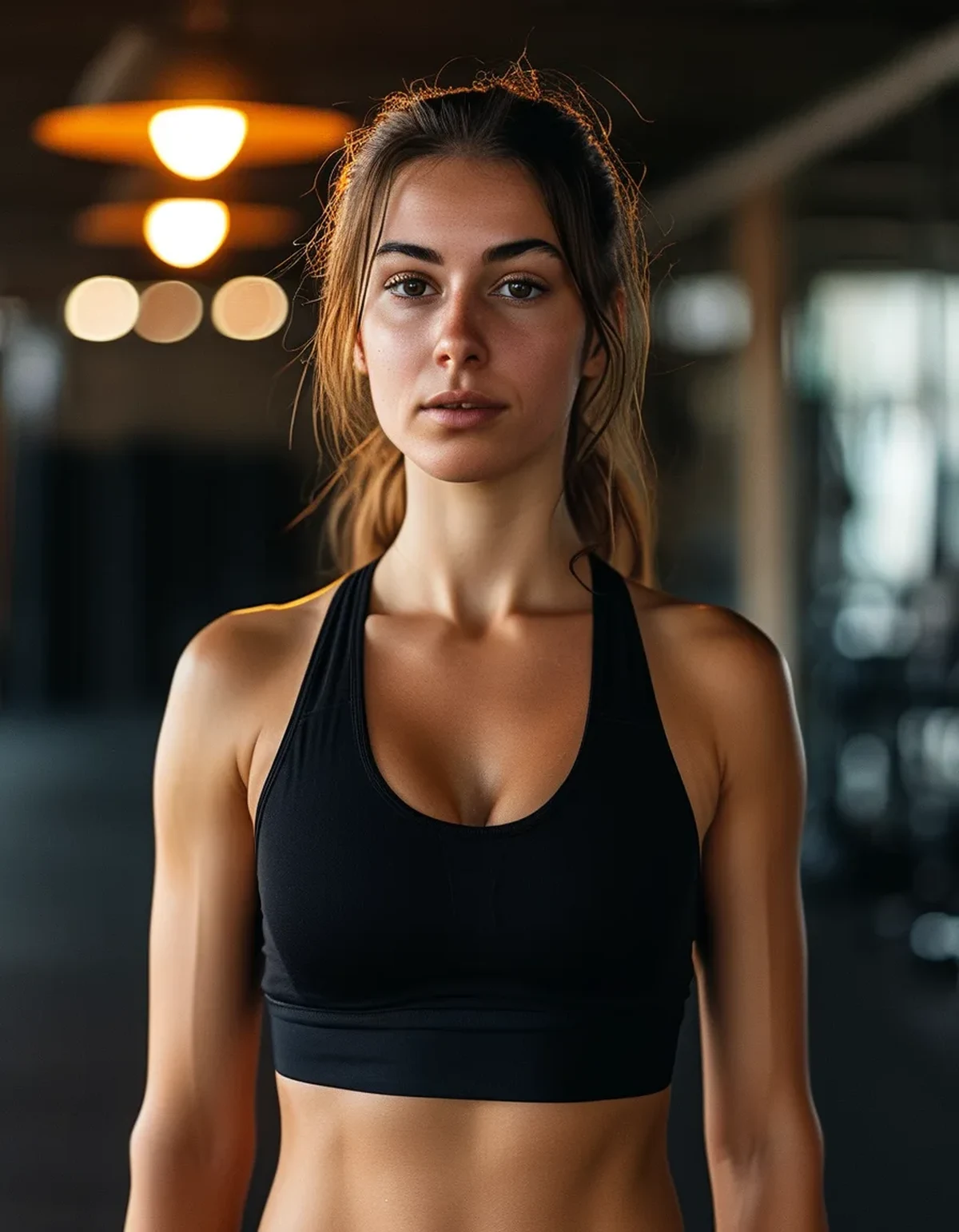
Choosing black pieces with visible seam lines, textured fabric (ribbing, mesh panels), or subtle tonal variation between top and bottom gives the camera more edges and light-catching detail to work with than a fully flat, identical-texture black-on-black set. This doesn’t mean abandoning monochrome — it means choosing monochrome pieces with more inherent surface detail.
Does skin tone affect how black activewear photographs across different people?
Yes — the contrast between black fabric and skin tone changes how much definition appears at the outfit’s edges (wrists, ankles, neckline) in a photo, and this contrast level varies by individual skin tone. This is a normal part of photography lighting, not a flaw to fix, though being aware of it can inform lighting or angle choices for a specific photo.
FAQ: Black Activewear and Photos, Answered
What’s the simplest fix for a black outfit photo that looks flat?
Moving to angled, side, or natural window light rather than direct overhead lighting is the single most effective and free adjustment.
Does phone camera quality affect how well black fabric photographs?
Somewhat — higher dynamic range cameras (common on newer phones) capture subtle shadow detail in black fabric better than older or budget cameras, though lighting position still matters more than camera specs alone.
Should black activewear always be avoided for photos in favor of lighter colors?
Not at all — lighter colors are simply more forgiving of lighting mistakes; well-lit black activewear photographs beautifully, it just requires slightly more intentional lighting than lighter shades do.
TL;DR:
- Black fabric absorbs light rather than reflecting it, removing the shadow detail cameras rely on for shape
- The human eye compensates with depth cues a flat photo doesn’t have
- Angled or side lighting restores definition that direct overhead lighting flattens
- Textured or seamed black pieces photograph with more definition than flat, identical fabric
The outfit isn’t the problem — direct overhead light on flat black fabric is. Change the light angle before you change the outfit.
Keep Reading
This article is for general informational and styling purposes only. Fit, sizing, and product availability may vary.