The Monochrome Activewear Trick: One Color, Different Shades, Not One Exact Match

Quick Answer: Pair pieces in slightly different shades of the same color family — a darker sage top with a lighter sage bottom, for instance — rather than hunting for an exact match. Slight tonal variation reads as intentional styling; an exact match from two different brands often looks more like a fabric mismatch than a cohesive choice.
Monochrome activewear looks striking done well, but ‘done well’ isn’t about finding the one perfect exact-match pair — it’s closer to the opposite.

Why does an exact color match sometimes look worse than close-but-different shades?
Different fabrics and dye batches rarely match perfectly across separate pieces, even within the same brand. When two pieces are close but not exact, a slight visible mismatch reads as an obvious styling mistake — whereas deliberately varying the shade removes that risk entirely and looks intentional instead.
What’s the easiest way to build a monochrome outfit?
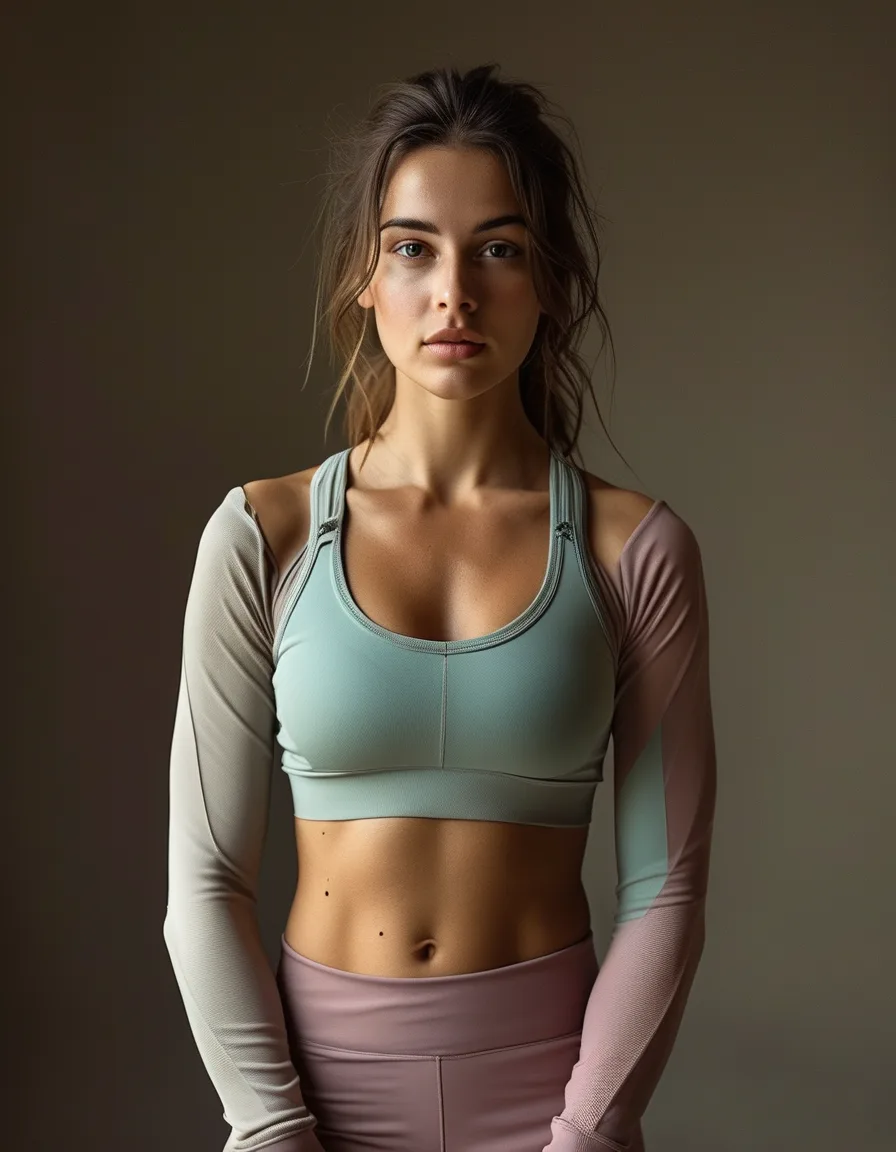
Pick a color family, then choose a darker piece and a lighter piece within it — a deep forest green top with a lighter sage bottom, or charcoal with a lighter heather gray. The variation itself is the styling choice, not a flaw to avoid.
Which colors work best for a first monochrome attempt?
Neutral-adjacent tones — sage, taupe, charcoal, navy — are the most forgiving starting point since shade variation within these families reads as sophisticated rather than accidental. Bright, highly saturated monochrome (all-red, for example) is a bolder, harder-to-balance choice for a first try.
What Nobody Tells You About Monochrome Dressing
A single contrasting accent — different-colored shoes or a small accessory — often finishes a monochrome look better than making everything, including shoes, match. Full head-to-toe single-color including footwear can occasionally look more like a uniform than a styled outfit.
FAQ: Monochrome Activewear Questions, Answered
Do the shoes need to match the monochrome color too?
Not necessarily — a neutral or contrasting shoe often finishes the look better than continuing the same color all the way down.
What’s the most forgiving color for beginners to try?
Sage, charcoal, or taupe — muted, neutral-adjacent tones where slight shade variation looks deliberate rather than mismatched.
Can monochrome work with patterns mixed in?
A subtle tonal pattern (same color family, different texture) can work, but bold contrasting patterns usually break the monochrome effect entirely.
TL;DR:
- Vary the shade within one color family rather than seeking an exact match
- Exact matches across different fabrics or brands often look like an accidental mismatch
- Neutral-adjacent tones are the most forgiving starting point
- A contrasting shoe or accessory can finish the look better than full head-to-toe matching
Monochrome done well is about a color story, not an exact match — the slight variation is the actual styling trick.
Keep Reading
This article is for general informational and styling purposes only. Fit, sizing, and product availability may vary.