How to Choose Monochrome Activewear Shades That Actually Suit Your Skin Tone
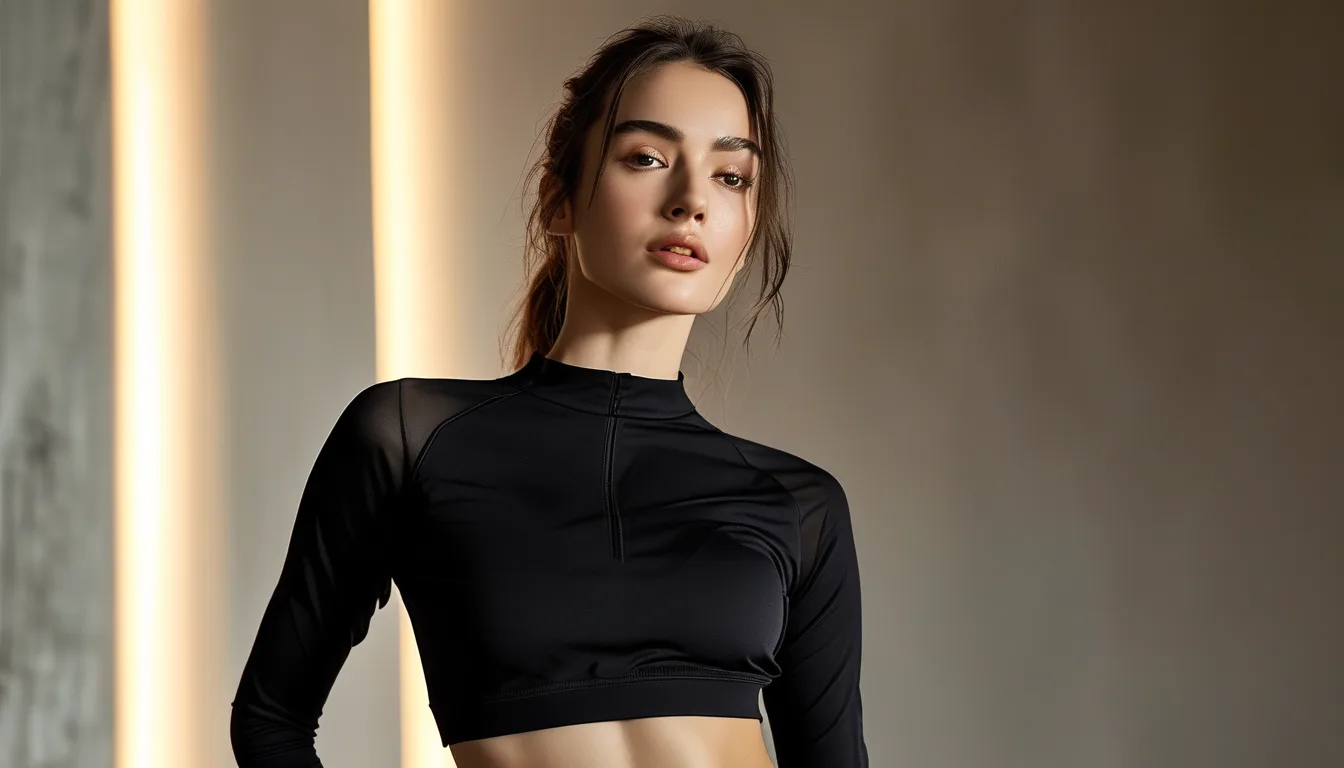
Quick Answer: Warm skin tones generally look best in monochrome shades with a yellow or orange undertone (olive, rust, warm camel), while cool skin tones suit shades with a blue or gray undertone (true navy, charcoal, cool berry) — matching the outfit’s undertone to your own is what makes a single-color look read as flattering rather than flat.
Monochrome outfits are supposed to look effortlessly put-together, but the wrong shade for your undertone can flatten the whole look instead of elevating it — the fix is a lot simpler than it sounds.
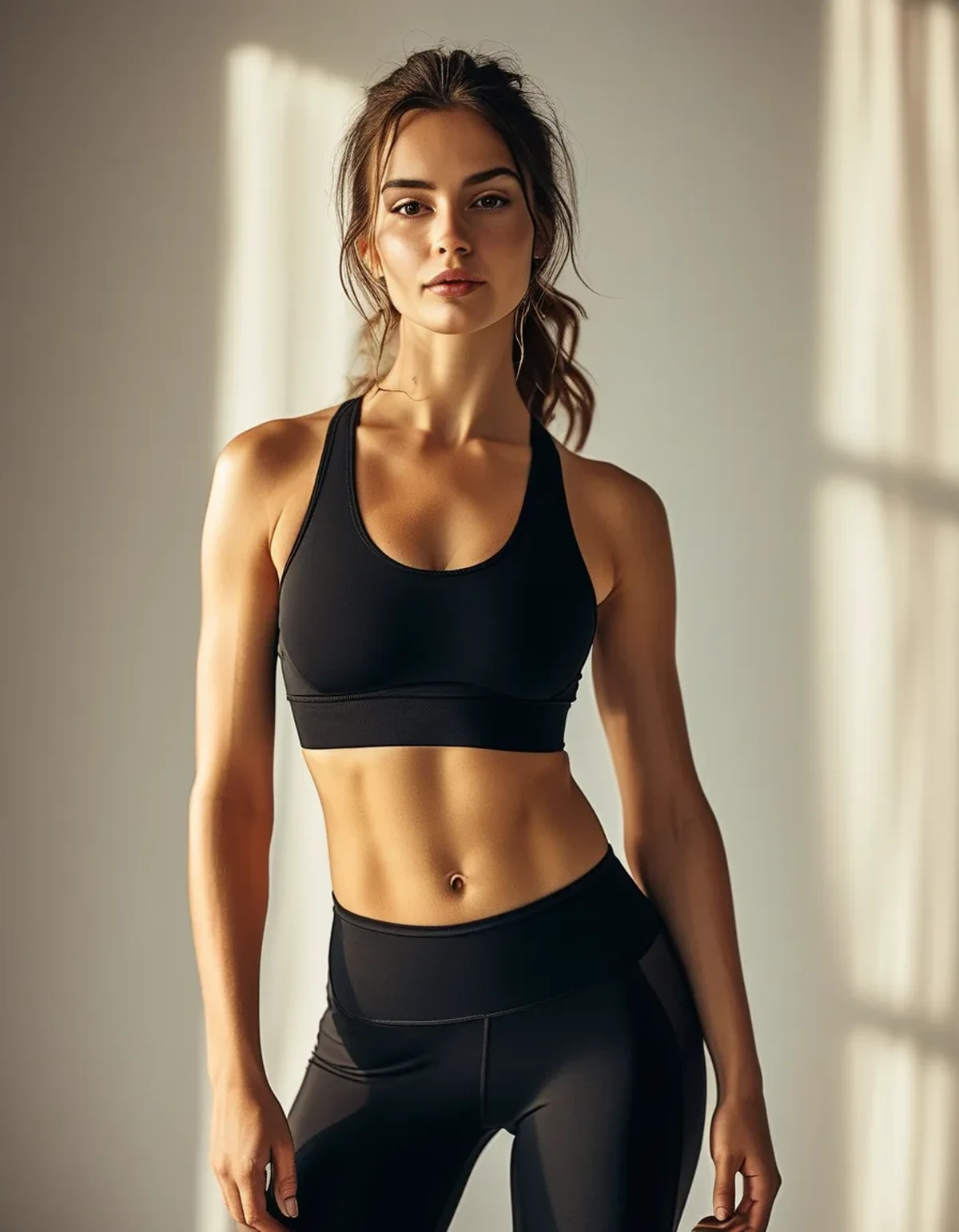
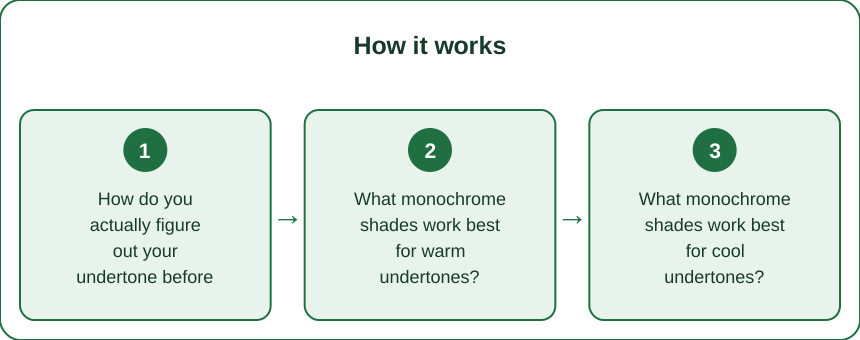
How do you actually figure out your undertone before choosing a shade?
A quick, commonly used check: look at the veins on the inside of your wrist in natural light — greenish veins generally indicate a warm undertone, while bluish or purplish veins generally indicate a cool undertone; a mix of both suggests a neutral undertone that can wear a wider range of shades comfortably. This isn’t a perfectly scientific test, but it’s a fast, free starting point before shade-shopping.
What monochrome shades work best for warm undertones?
Olive, rust, warm camel, terracotta, and warm-toned burgundy tend to complement warm undertones particularly well in a monochrome set, since these shades share the same yellow-orange base that warm skin already carries, creating a cohesive rather than clashing look. A monochrome outfit in a shade with the opposite (cool) undertone can look slightly washed out or flat against warm skin by comparison.
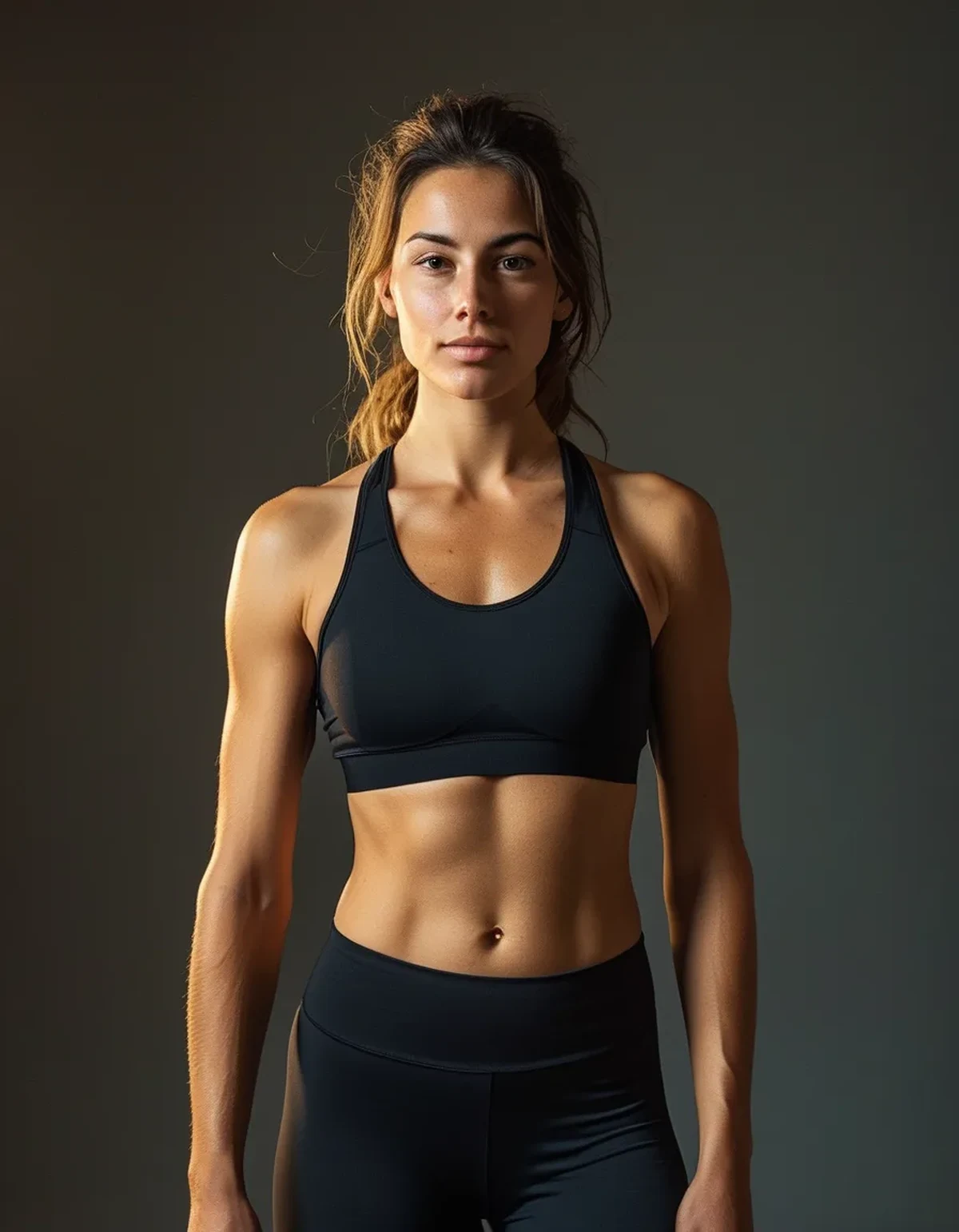
What monochrome shades work best for cool undertones?
True navy, charcoal gray, cool berry, and jewel-toned blues or purples tend to suit cool undertones well, since these shades share the blue-based undertone that cool skin already carries. Warm-toned shades like rust or warm camel can sometimes read as slightly muddying against cool undertones, though this varies by exact shade and individual coloring.
Myth vs Fact: Monochrome Activewear and Skin Tone
Myth: Any monochrome color works equally well on everyone as long as the fit is good. Fact: Undertone match genuinely changes how flattering a single-color outfit reads — the same fit in a mismatched undertone can look flatter than one matched to your skin.
Myth: Neutral undertones don’t need to think about color matching at all. Fact: Neutral undertones have more flexibility, but extremely saturated warm or cool shades can still read better or worse depending on the specific shade — some consideration still helps.
FAQ: Monochrome Activewear and Skin Tone, Answered
Does hair and eye color matter as much as skin undertone for choosing a shade?
Skin undertone is generally considered the primary factor for how a color reads against your complexion, though hair and eye color can shift which specific shade within a color family (a warmer or cooler red, for instance) looks best.
What if I like a shade that doesn’t technically match my undertone?
Personal preference is a valid factor beyond undertone matching — a slightly mismatched shade in a piece you genuinely love and feel confident in can still look great; undertone matching is a helpful guideline, not a strict rule.
Do accessories need to match the monochrome shade’s undertone too?
Keeping shoes and accessories in a neutral tone (black, white, or gray) generally works safely with any monochrome outfit regardless of undertone, so this is a lower-stakes decision than the main outfit color itself.
TL;DR:
- Check wrist vein color for a quick warm-versus-cool undertone read
- Warm undertones suit olive, rust, warm camel, and warm burgundy monochrome shades
- Cool undertones suit true navy, charcoal, cool berry, and jewel tones
- Neutral undertones have the most flexibility across both directions
Matching the monochrome shade to your undertone is a five-minute consideration that makes the whole effortless-look payoff actually land.
Keep Reading
This article is for general informational and styling purposes only. Fit, sizing, and product availability may vary.