How to Build a Monochrome Activewear Set That Actually Matches
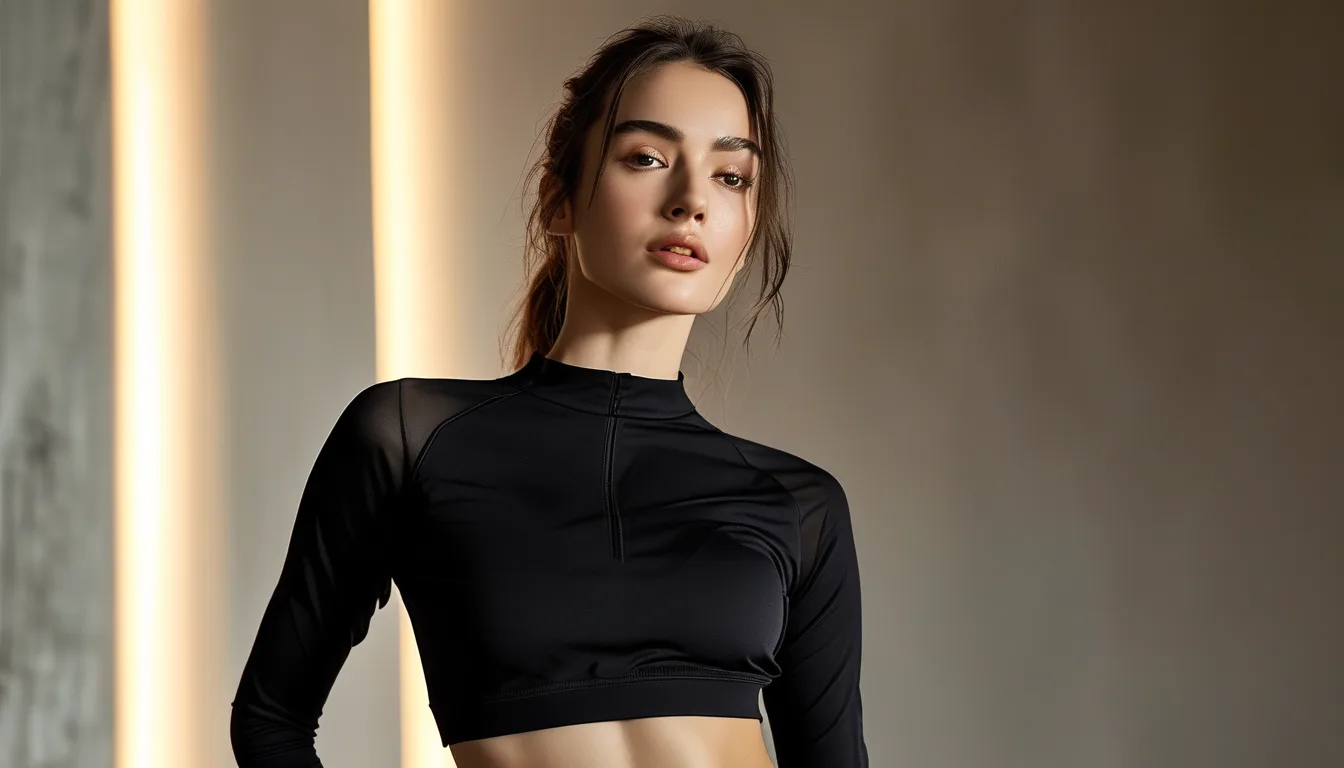
Quick Answer: Two pieces in the same colour read differently because of fabric texture, sheen, and fibre content, not dye batch. A matte cotton-blend black absorbs light; a shiny nylon-elastane black reflects it, so they look like different colours side by side. Match the fabric first and the colour second. The reliable approach: buy pieces from the same fabric family within one brand, or lean into deliberate tonal contrast so the difference reads as intentional rather than accidental.
Which also explains why the set looks fine indoors and wrong in daylight.
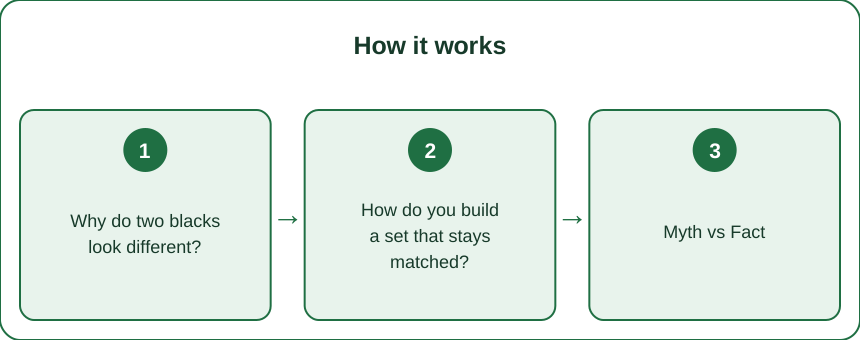
Why do two blacks look different?
Because you are seeing reflected light, and different fabrics reflect very differently.
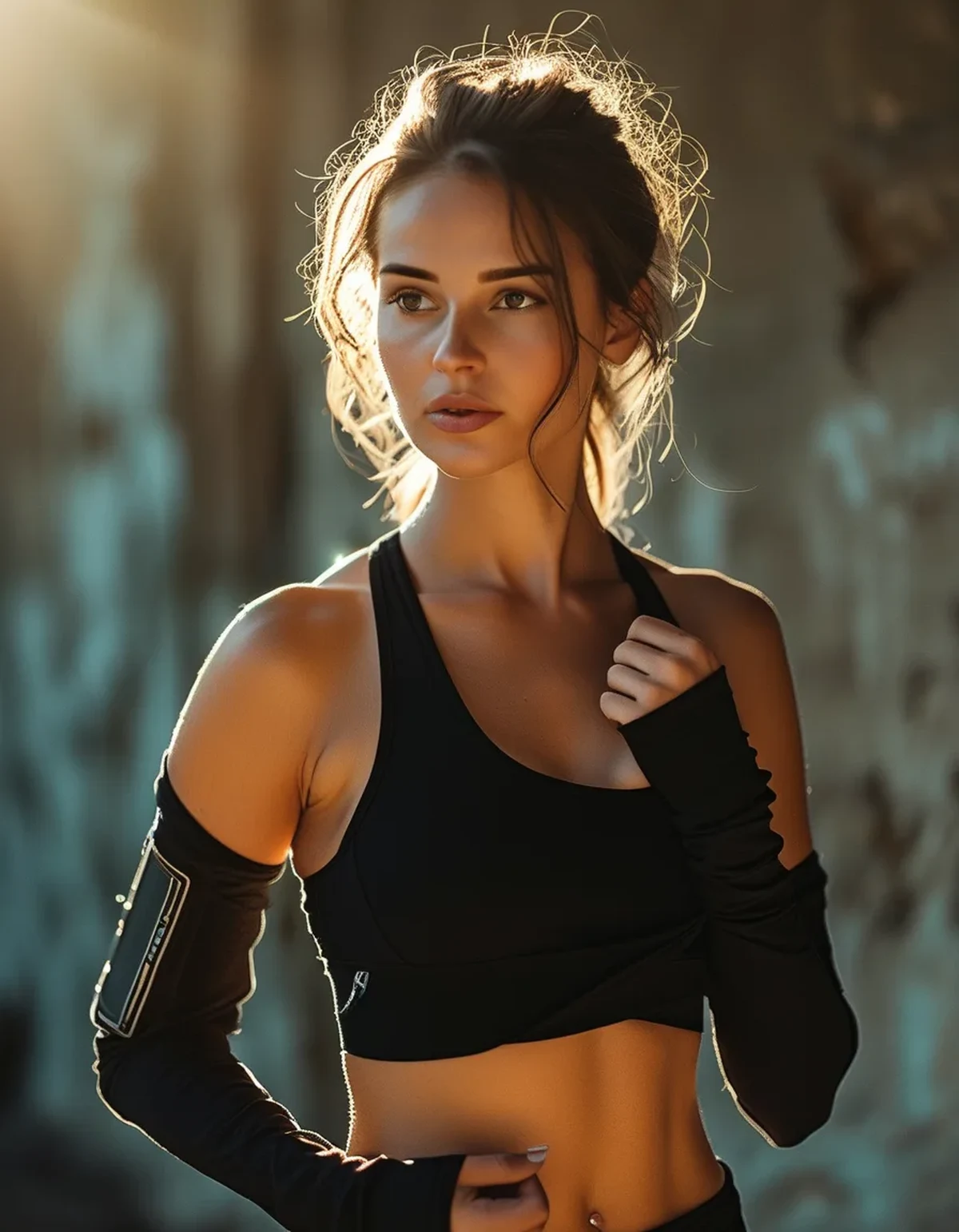
Surface texture changes perceived colour more than dye does. A smooth, tight-knit nylon reflects light directionally and reads as a lighter, shinier black. A brushed or matte fabric scatters light and reads as deeper. Same dye, different appearance.
Fibre content affects dye uptake. Nylon and polyester take dye differently, and elastane content changes the surface - which is why a 25 percent elastane legging looks different from a 12 percent one in the same colourway.
Daylight reveals what indoor light hides. Retail and home lighting is usually warm and directional. Full-spectrum daylight shows the undertone - one piece may be a blue-black and another a brown-black, invisible until you step outside.
Washing accelerates divergence. The piece washed more often fades faster. Tops are typically washed roughly twice as often as leggings, so a matched set diverges within months.
And there is a genuine dye-lot effect too, but it is smaller than the fabric effect. Two pieces bought a year apart in the same style can differ; two pieces in different fabrics will differ regardless.
How do you build a set that stays matched?
Four approaches, in order of reliability.
1. Buy the pieces as a set, from the same fabric family. Brands that sell coordinated collections use the same fabric across pieces. Check the composition label on both - identical composition is the strongest predictor of a lasting match.
2. Choose textured or heathered colours instead of flat solids. A heathered charcoal or a marl grey hides both fabric-sheen differences and fading, because the colour is already visually varied. This is the single easiest fix and it works even across brands.
3. Go deliberately tonal. Three shades of the same hue - light grey, mid grey, charcoal - reads as an intentional design decision. A near-match reads as a mistake; a clear difference reads as a choice. Deliberate tonal dressing is more forgiving than exact matching and looks more considered.
4. Use one textural constant. If the pieces must differ in shade, match the finish instead - all matte, or all with the same sheen. Consistent finish reads as more coordinated than consistent colour does, which surprises people.
And avoid pure black as the base for a matched set. It is the least forgiving colour available. Charcoal, deep navy, and espresso brown hide divergence far better while reading as effectively neutral.
Practical check before buying: hold both pieces together under daylight, not shop lighting. Take them to a window. Thirty seconds of checking prevents a year of mild irritation.
Myth vs Fact: Monochrome Activewear
Myth: Matching pieces from the same brand always match. Fact: Brands use different fabrics for tops and bottoms because the requirements differ. Same brand, same colour name, different fabric equals different appearance - the colour name tells you about the dye, not about the surface.
Myth: Black is the safest colour for a monochrome outfit. Fact: Black is the least forgiving. It shows lint, fading, and sheen differences more clearly than any other colour, because there is no visual variation to hide them. Charcoal and deep navy are more practical.
Myth: Fading means the fabric is low quality. Fact: Fading is mostly a function of dye type, wash frequency, and detergent. Washing inside out in cool water without optical brighteners does more for colour retention than the original price did.
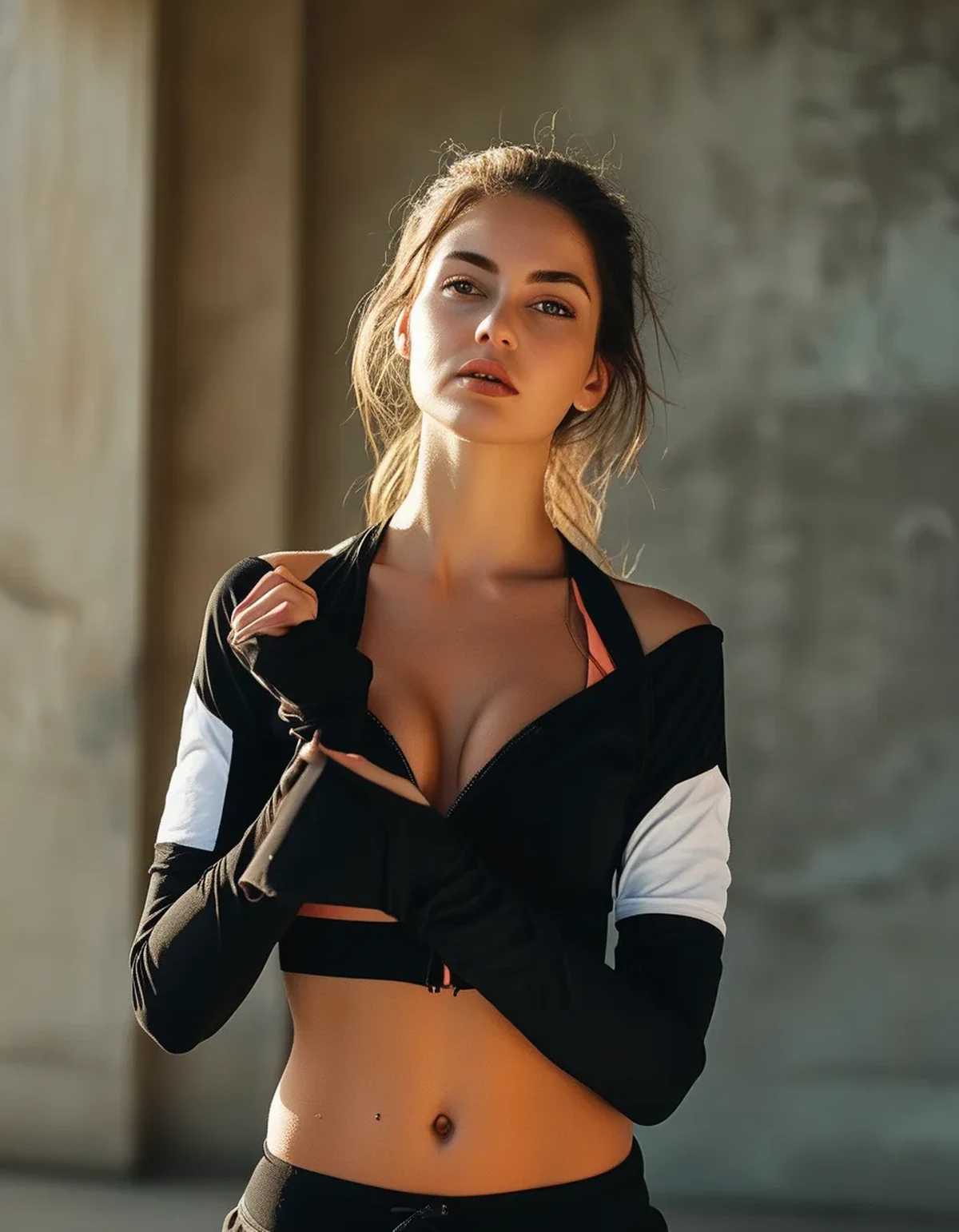
Myth: All-one-colour outfits look flat. Fact: They look flat when texture is uniform too. Mixing textures within one colour - ribbed, smooth, brushed - creates visible depth without introducing a second colour. This is the main technique in tonal dressing.
Myth: A visible logo does not matter in a monochrome outfit. Fact: A contrasting logo is the loudest element in an otherwise uniform outfit, and it draws the eye straight to the point where two fabrics meet. Tonal or matching logos preserve the effect; contrasting ones break it.
FAQ: Monochrome Activewear Questions, Answered
Why do my black leggings and black top look like different colours?
Almost always fabric rather than dye - different textures reflect light differently, so a matte fabric reads deeper than a shiny one. Fibre content and elastane percentage also change dye uptake and surface finish.
How do I stop black activewear from fading?
Wash inside out in cool water, skip detergents with optical brighteners, avoid fabric softener, and line dry. Heat and repeated washing are the main causes.
What colour is easiest to match across pieces?
Heathered or marl colours, because the visual variation hides both sheen differences and fading. Charcoal and deep navy are more forgiving than pure black.
Should I buy sets or separates?
Sets that share a fabric family match most reliably. Separates give better individual fit and let you replace one worn piece rather than retiring both - a real advantage since tops wear out first.
How do I make an all-black outfit look intentional?
Mix textures within the colour: a ribbed top with smooth leggings, or a brushed jacket over both. Texture variation creates depth without introducing a second colour.
Do dye lots really vary?
Yes, though the effect is smaller than the fabric difference. Two pieces of the same style bought a year apart can differ slightly; two pieces in different fabrics will differ regardless of when you bought them.
TL;DR:
- Two blacks differ because of fabric texture, sheen, and fibre content - not dye lots. Match the fabric first.
- Heathered and marl colours hide everything; pure black is the least forgiving base for a matched set.
- Deliberate tonal contrast beats a near-match - a clear difference reads as a choice, a slight one reads as a mistake.
- Match the finish (all matte, or all sheen) if you cannot match the shade - consistent finish reads as more coordinated than consistent colour.
- Check both pieces under daylight, not shop lighting, before buying.
The most practical takeaway is to stop shopping by colour name. The label tells you about the dye and almost nothing about how the piece will look next to another one.
See It in Motion
Seen here: High Waist Yoga Leggings with Side Pockets — shop it on bubblelime.com
Keep Reading
This article is for general informational and styling purposes only. Fit, sizing, and product availability may vary.