Why Black-on-Black Activewear Photographs Differently Than It Looks in Person
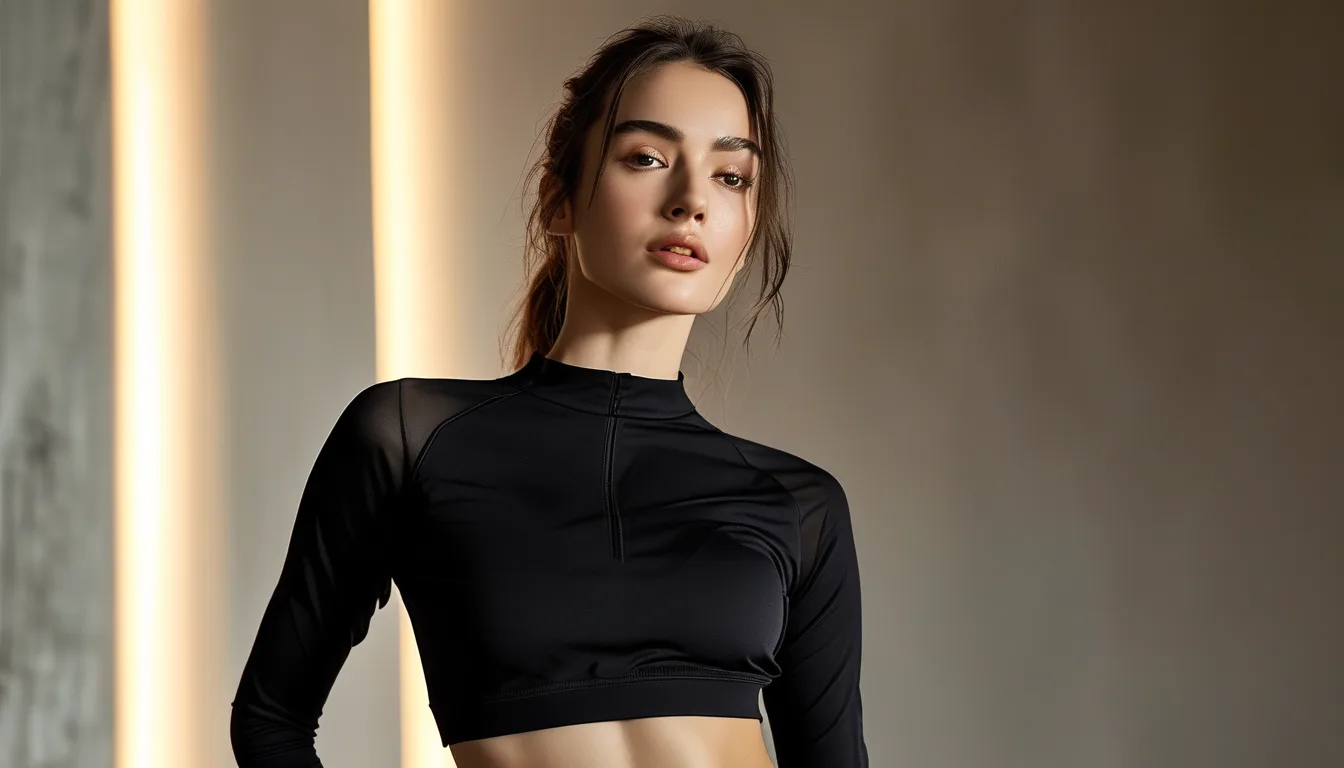
Quick Answer: All-black outfits photograph flatter than they look in person because cameras rely on light and shadow to show shape, and matching black tones eliminate most of the contrast that would otherwise define your silhouette — different fabric textures and better lighting angles restore that definition.
In the mirror, an all-black set looks sharp and put-together. In the photo five minutes later, it can look like a shapeless silhouette — and that gap is a lighting problem, not an outfit problem.
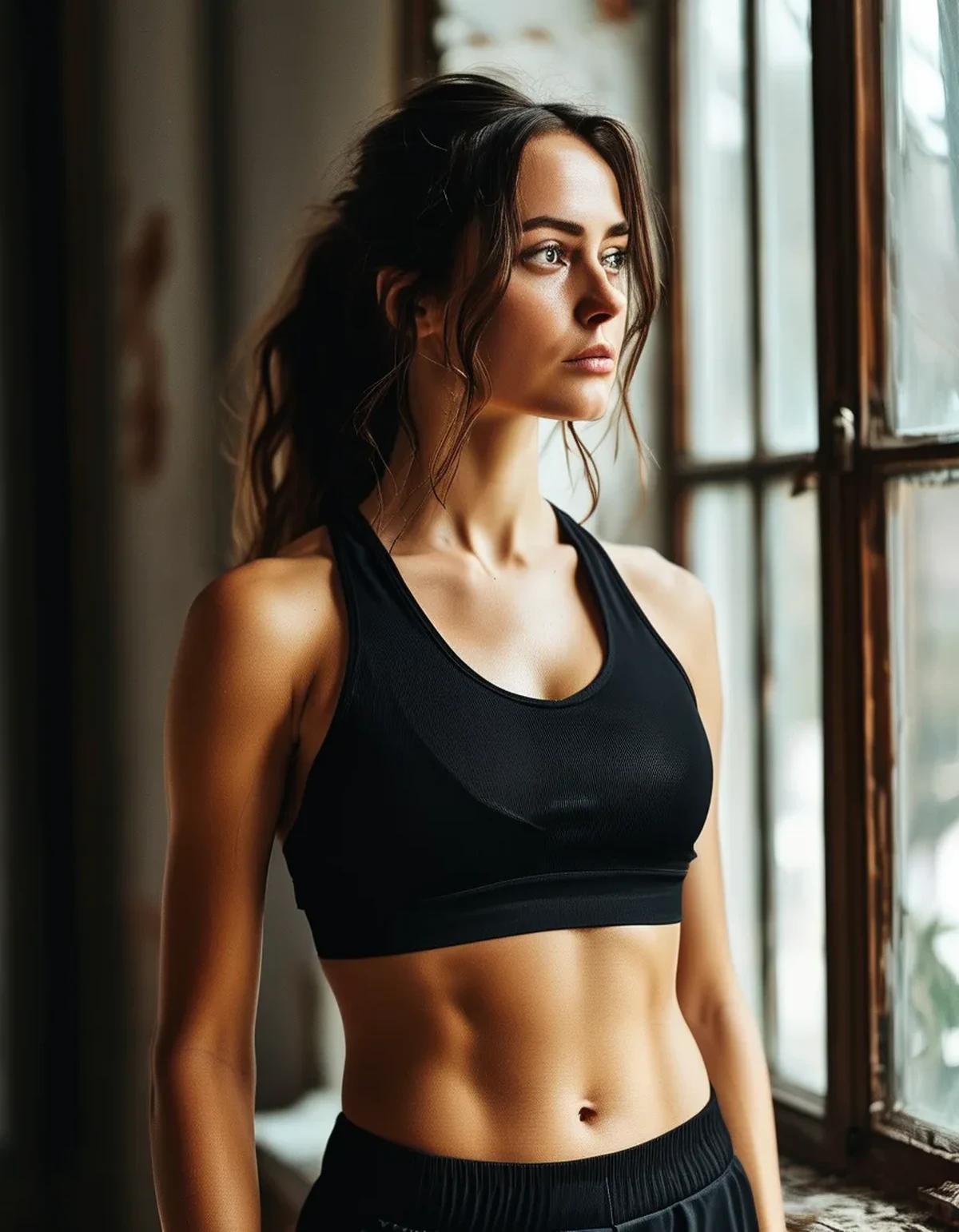
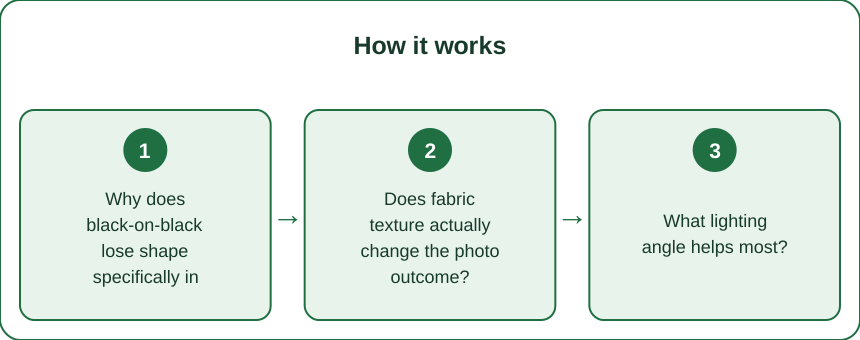
Why does black-on-black lose shape specifically in photos?
The human eye picks up subtle texture and depth cues in person that a camera sensor compresses into flatter tones, especially in even lighting. Without contrast between top and bottom, the camera has fewer visual cues to separate the two pieces, so the outfit can read as one solid block.
Does fabric texture actually change the photo outcome?
Yes — pairing a matte fabric with a slightly glossy or ribbed one within the same black outfit gives the camera small highlight and shadow differences to work with, even though both pieces read as ‘black’ to the eye. This is the single biggest fix for the flat-photo problem.
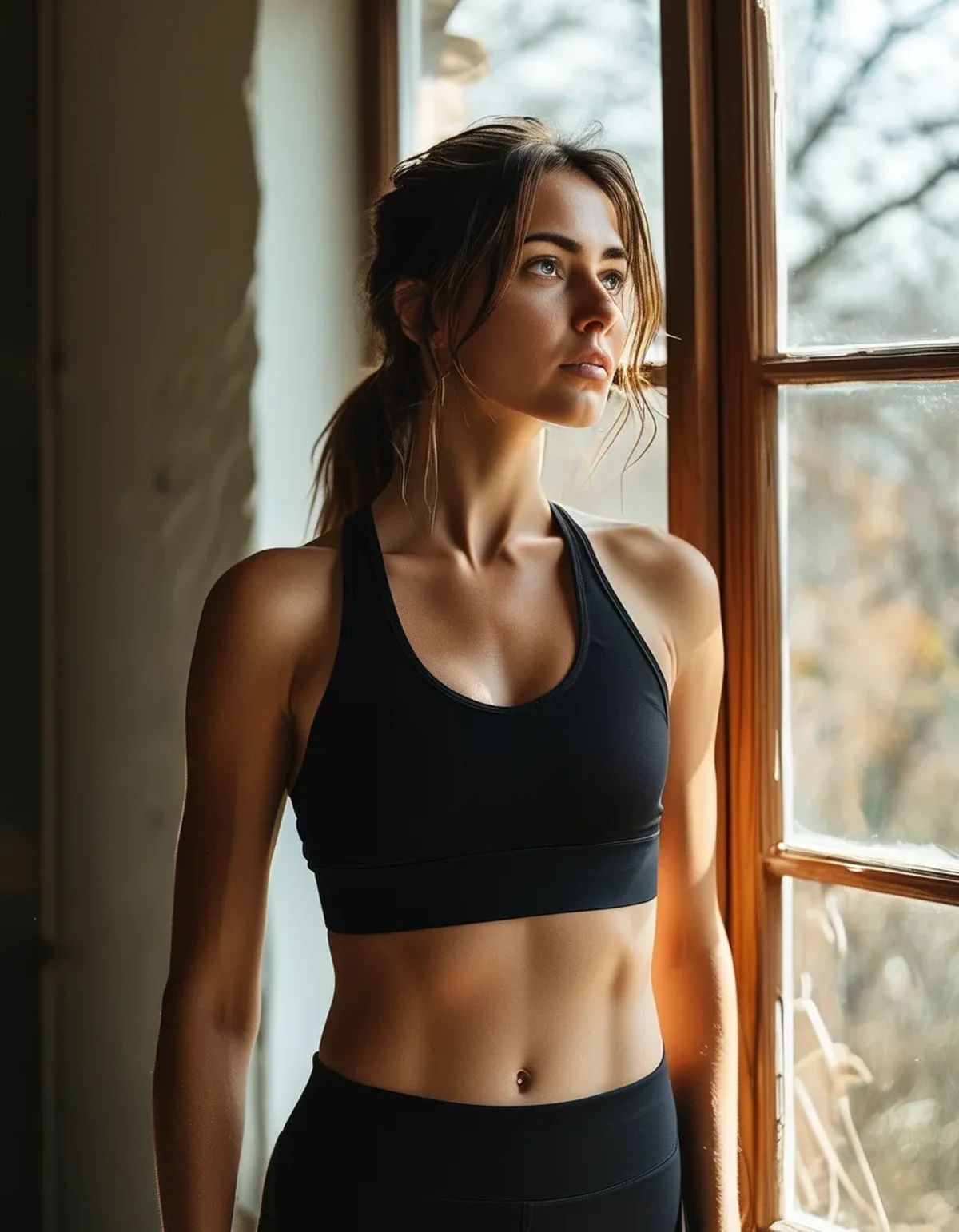
What lighting angle helps most?
Side or three-quarter lighting (a window to your side rather than straight-on) creates shadow lines along the body that direct, flat overhead light erases entirely. Standing at a slight angle to a side light source does more for definition than any pose adjustment.
Myth vs Fact: does an all-black outfit make you look smaller in photos?
Myth: black is universally slimming in every photo. Fact: black only reads as slimming when there’s enough contrast or shadow to suggest shape — under flat lighting with no texture variation, black can just as easily read as a shapeless block, which is the opposite of the intended effect.
Is there a quick way to test this before an event?
Take one photo under your normal lighting and one near a side window, and compare — the difference is usually large enough to settle the question in under a minute, without needing to change the outfit at all.
TL;DR:
- Cameras rely on contrast that all-black outfits naturally minimize
- Mixing matte and slightly glossy or ribbed black fabrics restores visual definition
- Side or three-quarter lighting shows shape far better than flat overhead light
- Black isn’t automatically slimming in photos without some shadow or texture
The outfit isn’t the problem — the lighting and fabric pairing usually are.
Keep Reading
This article is for general informational and styling purposes only. Fit, sizing, and product availability may vary.